NEW ECO-FUN CATALOG: SOLUTIONS FOR SAFE AND INNOVATIVE PLAYGROUNDS

ECO-FUN Catalog for Playground Safety Surfacing

The playground and recreational area paving sector is evolving, with an increasing focus on safety, recycled materials, and the quality of solutions. Casei Eco-System meets these needs with its new ECO-FUN catalog, available online in digital format.

A catalog designed for installers and dealers

The ECO-FUN catalog was designed to assist installers, retailers, and designers in selecting playground safety surfacing. The product line includes solutions for playgrounds, play areas, and public and private recreational spaces.

The products presented combine the use of recycled materials with different technical characteristics, so as to meet the specific needs of each project. Size, thickness, intended use, and performance requirements must be verified in the relevant technical documentation.

The Main New Features in the ECO-FUN Catalog

The new catalog features solutions designed for those who design and install playground flooring.

ECO-SOFT and REMADE® Certification

ECO-SOFT is playground safety surfacing made from recycled rubber. The REMADE® certification documents the percentage of recycled material contained in the certified products and serves as a useful factor in evaluating the environmental requirements specified in public procurement contracts.

Compliance with the Minimum Environmental Criteria must be verified with respect to the product, the required configuration, and the documentation in effect at the time of the project.

Discover ECO-SOFT →

ECO-HOLMAT: Playground Safety Surfacing

Among the new products presented is ECO-HOLMAT, playground safety surfacing with shock-absorbing interlocking design for outdoor use.

  • Impact absorption: The structure is designed to provide protection in play areas, depending on the intended configuration.
  • Drainage properties: The open structure facilitates the flow of water.
  • Integration with greenery: the honeycomb geometry allows grass to grow under the right installation conditions.

Discover ECO-HOLMAT →

Why Choose ECO-FUN Flooring

The ECO-FUN line is designed for installers, retailers, and designers of playgrounds and recreational areas. The catalog helps you compare solutions based on concrete criteria:

  • use of recycled materials;
  • documented safety characteristics for specific configurations;
  • solutions also intended for outdoor use;
  • Formats and installation systems suitable for different design contexts.

Before making a final decision, it is necessary to review the technical data sheets, applicable certifications, the required thickness, and the condition of the subfloor.

Check out the new ECO-FUN catalog online

The ECO-FUN catalog can be browsed online using the digital viewer. It showcases the main Casei Eco-System solutions for playground safety and allows you to identify products to explore further for your project.

HIC Testing and Critical Fall Height: A Guide to the UNI EN 1177 Standard.

HIC Test and Critical Fall Height According to UNI EN 1177

The safety of impact-absorbing surfaces is an essential consideration in play areas and playgrounds, where the risk of falling from playground equipment must be taken into account. The UNI EN 1177 standard defines test methods for evaluating the impact attenuation of surfacing materials and determining the critical fall height using the HIC test.

In this guide, we’ll explore what HIC stands for, how the test is conducted, and how to interpret the results when selecting a surface for play areas.

What is the HIC test, and why is it important?

HIC, which stands for Head Injury Criterion, is a parameter calculated based on the deceleration recorded when an instrumented test head strikes a surface.

  • As the HIC value increases, the severity of the impact detected by the test increases.
  • EN 1177 uses HIC 1000 as the upper acceptability limit.
  • The standard also takes into account the peak acceleration gmax 200.

These parameters are used to classify the performance of the surface under test conditions. They do not eliminate the risk of injury and must be evaluated in conjunction with the proper design, installation, and maintenance of the play area.

Critical fall height

The critical fall height is the test result used to define the surface’s range of use. It is determined by considering the heights at which the HIC 1000 and gmax 200 limits are reached, in accordance with the method specified in the standard.

  • It allows you to compare the flooring’s performance with the equipment’s free-fall height.
  • It helps designers and managers identify a surface with adequate attenuation capacity for the specific area.
Relationship Between Equipment Drop Height and HIC playground safety surfacing

UNI EN 1177 and Test Requirements

UNI EN 1177 implements the European standard for impact-attenuating playground surfaces. The updated European edition is EN 1177:2018+A1:2023; to determine the exact applicable national edition, it is always advisable to consult the UNI catalog and the project’s contractual documentation.

The key points include:

  • HIC Calculation: An Instrumental Procedure for Assessing the Severity of the Impact.
  • Maximum HIC of 1,000: the threshold used to evaluate the surface.
  • gmax maximum 200: limit on peak acceleration.
  • Method 1: Determining the critical fall height of the surface.
  • Method 2: On-site test to verify the performance of the surface as installed at the specific location and time of measurement, without determining the critical height.

How is an HIC test performed?

The test requires specific equipment and qualified personnel. The main components are:

  1. Instrumented test specimen: equipped with accelerometers to record the impact.
  2. Data acquisition system: processes acceleration, the HIC value, and gmax.
  3. Surface to be tested: laboratory sample or installed flooring, depending on the method used.

Test Procedure

  1. Sample preparation or identification of test locations on site.
  2. Release of the instrumented head from specified heights.
  3. Recording the acceleration curve during the impact.
  4. Calculation of HIC and gmax values.
  5. Determination of the critical fall height when Method 1 is used.

Interpreting Results at Playgrounds

  • HIC ≤ 1000 and gmax ≤ 200: The surface meets both criteria under the conditions and at the height considered in the test.
  • Exceeding one of the two limits: the measured height falls outside the performance range determined by the test.

The critical fall height specified for the surface must be at least equal to the free-fall height of the equipment expected in the impact area. It is also necessary to follow the manufacturer’s instructions regarding thickness, substrate, installation, and maintenance.

HIC Test in the Casei Eco-System

Casei Eco-System uses HIC testing on its products to monitor the consistent performance of playground safety surfacing such as ECO-SOFT. Internal testing supports production process control; however, the documentation required for a specific project must be evaluated based on the scope of supply, configuration, and applicable conditions.

The HIC test is therefore an important technical tool for selecting and verifying safety surfacing intended for play areas. The results must be interpreted within the context of the entire project, taking into account the height of the equipment, proper installation, and inspection and maintenance procedures.

How to Clean Rubber Floors in a Gym

Come pulire i pavimenti in gomma per palestre 1

Proper cleaning and maintenance of gym floors help preserve their hygiene, appearance, and durability. Recycled rubber playground safety surfacing is designed to withstand wear and impact, but it requires a proper cleaning routine and products that are compatible with the material.

This guide provides practical tips for cleaning rubber flooring in rolls or tiles. Before proceeding, however, be sure to consult the manufacturer’s specific instructions and verify the compatibility of the cleaning products.

General Cleaning of the Gym Floors

The procedure varies slightly depending on whether the flooring is supplied in rolls or tiles.

Roll Flooring

  1. Remove surface debris: Use a vacuum cleaner or a soft broom to remove dust and dirt.
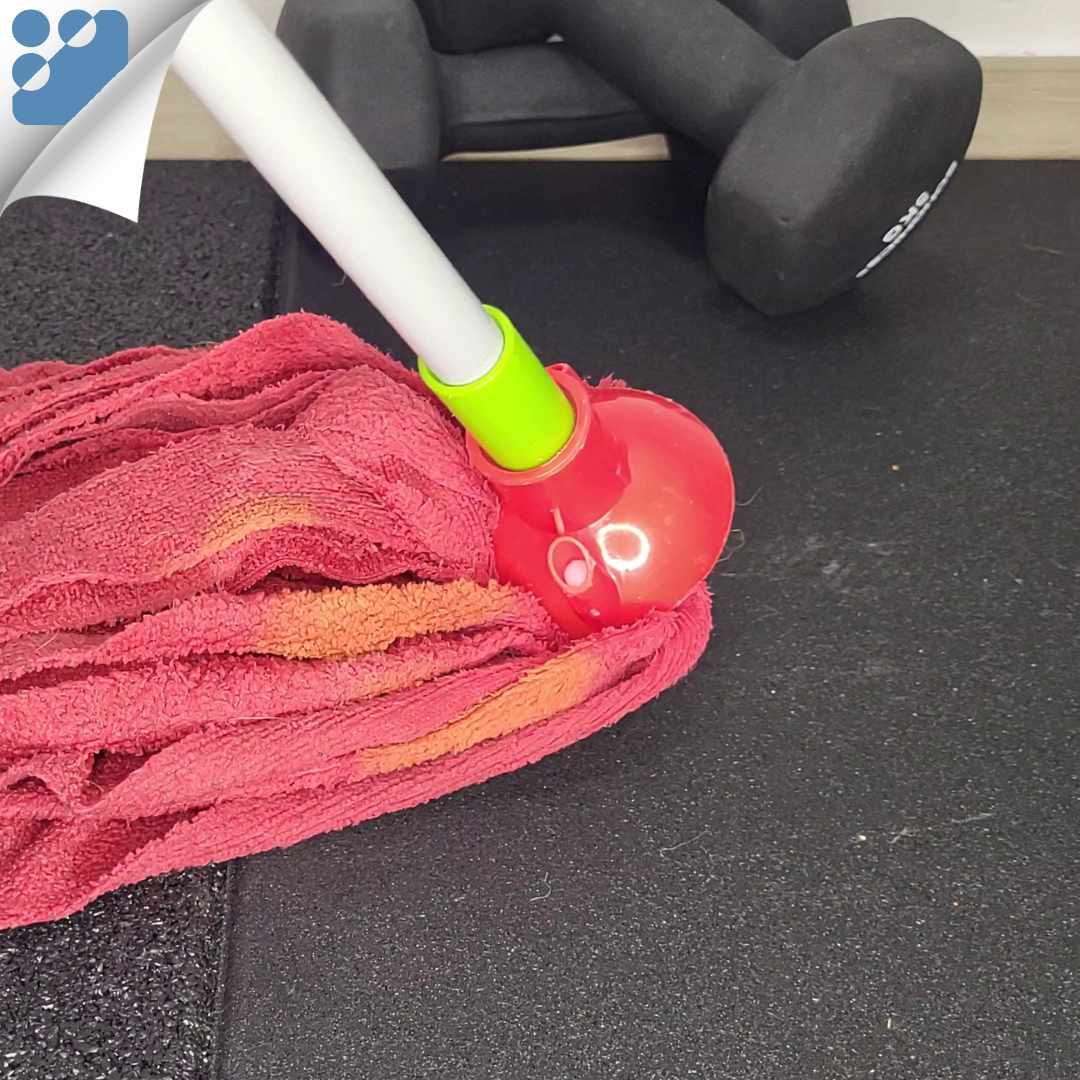
  2. Clean with a microfiber mop: Use water and a compatible pH-neutral cleaner, following the manufacturer’s recommended dilution ratio.
  3. Avoid using too much water: use a well-wrung-out mop and prevent water from pooling along the edges or under the flooring.

Tile Flooring

  1. Vacuum the seams: Focus on cleaning the joints, where dust and dirt can accumulate.
  2. Clean the surface: Use a slightly damp microfiber mop and a mild, pH-neutral cleaner.
  3. Check the joints: Remove any deposits with a soft brush, taking care not to saturate the grout with water.
Cleaning playground safety surfacing in a gym

The Importance of Particle Size in Cleaning

The particle size of recycled rubber affects the surface texture and, consequently, the way the pavement traps or reveals dust and stains.

Ultrafine particle size

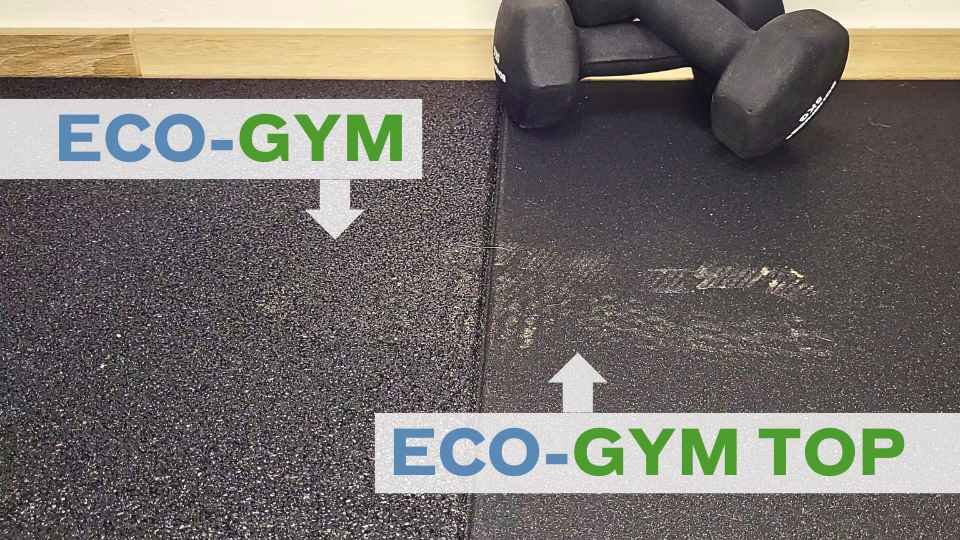
Surfaces made with ultrafine granules, such as ECO-GYM TOP, are smoother and make it easier to move the mop across them. However, the uniform surface can make certain stains more noticeable, requiring regular cleaning.

Average particle size

Medium-grain flooring, such as ECO-GYM, have a more pronounced texture. When cleaning, it is therefore important to thoroughly remove dirt from the surface and any joints.

Recommended Cleaning Routine

FrequencyActivitiesDirections
DailyVacuuming and Light CleaningUse compatible cleaning products and a well-wrung-out mop.
WeeklyThorough Cleaning of Grout LinesFocus on high-traffic areas.
MonthlyDeeper cleaning and visual inspectionRemove any stains and check the joints, edges, and any defects.

Handling Specific Situations

Stubborn Stains

  • Remove surface dirt first.
  • Apply a compatible cleaner, following the manufacturer’s instructions for dilution and application.
  • Gently wipe with a cloth or a soft-bristled brush.
  • Remove any residue without leaving any puddles, and let it dry completely.

Oily stains

Act quickly using a mild product designed to remove oils and compatible with rubber. Avoid aggressive industrial solvents and degreasers, which can damage the surface.

Cleaning Products: Recommendations and Precautions

What to Avoid

  • Solvents, highly acidic products, or substances not listed as compatible with rubber.
  • Strongly alkaline detergents or aggressive industrial degreasers.
  • Wax-based products, which can affect traction and make the surface slippery.
  • Excessive amounts of water or standing water in the grout lines and under the flooring.

Recommended Products

Choose mild, pH-neutral cleaners that are formulated or labeled as compatible with rubber flooring. Always follow the dosage, contact time, and rinsing instructions provided by the cleaner and flooring manufacturers.

Test the detergent first

Before treating the entire surface, test the diluted product on a small, inconspicuous area. Check to make sure it does not cause discoloration, damage, or leave a slippery residue.

Frequently asked questions

Can I use bleach on rubber floors?

Do not use this product unless the flooring manufacturer explicitly states that it is compatible and specifies the dilution ratio. Oxidizing products or products that are too concentrated may cause discoloration or damage.

How long does a rubber anti-trauma floor last?

Lifespan depends on the product, frequency of use, installation, environmental conditions, and maintenance. Regular cleaning with compatible products helps maintain its condition over time.

How can you prevent stubborn stains?

Quickly clean up any spilled liquids and schedule regular cleaning, especially in high-traffic areas.

How do you clean grout?

Vacuum up dust and dirt, and, when necessary, gently use a soft-bristled brush. Avoid pushing water or cleaning solution under the plates.

Demonstration video on cleaning an ECO-GYM floor.

Taking care of safety flooring made from recycled rubber helps maintain its hygiene, appearance, and functionality. Maintenance should be planned based on the product, the type of installation, and the intensity of use in the gym.

Merry Christmas 2024

Merry Christmas 2024 from Casei Eco-System

Christmas is an ideal time to reflect on the path we have traveled together. Thanks to your trust and collaboration, we have built a solid and shared path of innovation, sustainability and concrete results.

“This Christmas, let’s light up the future with sustainability and innovation!”

This statement encapsulates our vision: to grow alongside you, offering solutions that not only meet today’s needs but also lay the foundation for a better tomorrow. Every project we’ve completed and every challenge we’ve overcome together has allowed us to improve, strengthening the partnership that unites us.

During this holiday season, we would like to wish you, your team, your families, and your company a peaceful Christmas and a New Year filled with shared successes.

May 2025 be a year of new opportunities, innovation, and shared growth, always guided by the principles of sustainability.

Thank you for being part of our journey and for helping to make a difference. We are ready to face the challenges of the future together with the same enthusiasm and commitment.

Wishing you a happy holiday season,
, Casei Eco-System

Christmas Holiday Closure Schedule

We would like to inform you that the company will be closed on the following days:

  • December 25, 26, and 27;
  • Wednesday, January 1;
  • Monday, January 6.

Rubber Flooring for Home Gym: How to Choose the Best for Your Home Gym

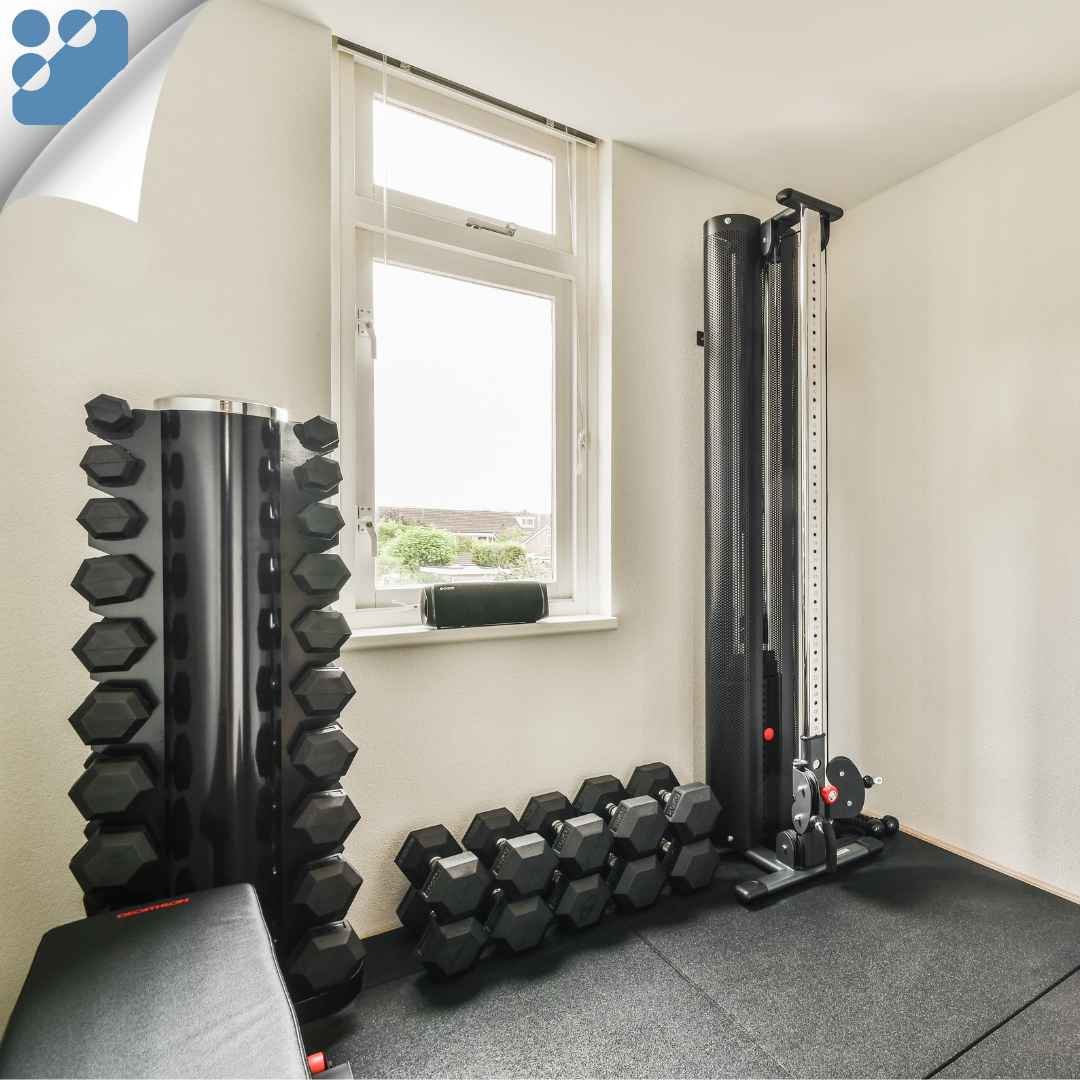
Rubber flooring for a home gym with fitness equipment

Setting up a home gym allows you to work out with greater freedom and organize the space according to your needs. However, choosing the right rubber flooring for your home gym is essential to protect the subfloor, improve comfort, and minimize noise and vibrations.

Why Set Up a Home Gym

Having a home gym allows you to work out whenever you want, without having to travel and without the crowds found at traditional gyms. You can customize the space based on the exercises you do, the equipment you have, and your fitness goals.

The Importance of Rubber Flooring

When setting up a home gym, you shouldn’t focus solely on the equipment: the surface on which you perform your exercises must also be carefully considered. The right flooring can:

  • protect the existing floor from scratches, dents, and damage caused by equipment or falling objects;
  • to provide a more stable and shock-absorbing surface during exercises;
  • help reduce noise and vibrations transmitted to neighboring areas.

Rubber flooring is a suitable solution for these needs, provided that the type, size, and thickness are selected based on the intended use.

How to Choose Rubber Flooring for a Home Gym

Noise and Vibration Attenuation

When working out at home, noise reduction is an important consideration, especially when using weights or equipment in the evening. Rubber helps dampen vibrations and impact noise; however, the actual results depend on the product, its thickness, how it is installed, and the building’s structure.

Thickness and Weight of Plates and Coils

Thickness affects shock absorption, the weight of the flooring, and ease of handling. The choice must therefore take into account the type of exercises, the equipment, and the sensitivity of the subfloor.

Rubber plates: ECO-GYM and ECO-GYM TOP

Rubber mats are available in various thicknesses, typically ranging from 10 to 50 mm. In home gyms, thicknesses between 10 and 30 mm are common. A 10-mm mat weighs about 9.5 kg/m²: it may be suitable for bodyweight exercises and cardio machines, while thicknesses of 20 mm and above are generally better suited for use with heavy weights or on delicate flooring.

To prevent the plates from shifting during intense workouts, a mechanical connection system can be helpful. The solution ECO-GYM TOP solution, for example, allows you to create flooring islands with integrated fasteners.

Rubber Rolls: ECO-GYM ROLL

The rolls most commonly used for this type of application typically range in thickness from 6 to 10 mm. A 6-mm roll weighs about 5 kg/m². They are particularly suitable for low-impact activities, such as bodyweight exercises, yoga, Pilates, or the use of light equipment.

Recycled rubber tiles for home gym floors

Sheets or rolls: Which format should you choose?

Rubber plates are particularly recommended when using heavy weights. They allow you to choose thicker plates, are modular, and, if one plate is damaged, you can replace just that single plate.

Rubber flooring in rolls is suitable for home gyms used for low-impact activities. It provides a uniform surface and can be cut to size to fit the available space.

Kettlebell workout on rubber flooring for a home gym.
Bodyweight exercises on rubber flooring.

Methods for Installing Rubber Flooring

Free-standing or simply resting on a surface

Loose-lay installation involves placing tiles or rolls directly on the existing floor, without adhesives. It is a practical solution for home gyms with light use because it makes installation easy and allows the flooring to be removed or repositioned. However, the suitability of loose-lay installation must be verified based on the tile format, surface, area size, and intensity of use.

Installation with double-sided tape or glue

When greater stability is needed, consider securing the product with double-sided tape or a compatible adhesive. The subfloor must be clean, dry, and suitable. The use of adhesives makes subsequent removal more difficult and may affect the underlying floor; therefore, the product and installation system must be verified before installation.

Cutting and shaping

Sheets and rolls can be cut and shaped to fit walls, corners, columns, and other features of the space. To achieve clean edges and work safely, be sure to use the proper tools, follow the manufacturer’s instructions, and protect the cutting surface.

Tips for Setting Up a Home Gym

  • Space Planning: Organize your tools without overcrowding the space, taking into account ceiling height and the location of electrical outlets.
  • Equipment selection: Whenever practical, choose multifunctional equipment that allows for a variety of exercises while taking up less space.
  • Lighting and ventilation: Ensure good lighting and adequate air circulation.
  • Organization: Use shelves, cabinets, or racks to keep the floor clear.
  • Safety: Keep the training area free of obstacles and check that the equipment is stable.

In Summary: Which Floor to Choose

When choosing rubber flooring for a home gym, you need to consider the exercises, loads, subfloor, noise, size, and installation method. Generally speaking, tiles with thicknesses ranging from 10 to 30 mm are suitable for free-weight areas with heavy equipment, while rolls ranging from 6 to 10 mm are recommended for low-impact activities. The dimensions provided are approximate: the final solution must be verified based on the specific product and actual conditions of use.

Frequently asked questions

What thickness should you choose for a home gym?

It depends on the type of workout and the loads involved. For light activities, thinner mats may be sufficient; heavy weights or delicate floors generally require thicker mats and a specific assessment.

Are flat irons or rollers better?

The plates are modular and suitable for areas subject to heavy loads. The rolls create a more continuous surface and are particularly suitable for exercises and light equipment.

Does rubber flooring reduce noise?

It helps reduce noise and vibrations, but does not, on its own, guarantee complete sound insulation of the room. The result also depends on the floor, walls, installation, and the intensity of the impacts.

CASEI ECO-SYSTEM: two decades of green innovation

Casei Eco-System Anniversary: Two Decades of Green Innovation

Casei Eco-System chronicles two decades of innovation in recycled rubber: a journey that began in 2003 with the goal of transforming end-of-life tires into useful products for various applications.

Solid Roots, Bright Future

In 2003, Casei Eco-System opened its doors with a small but great idea: to transform end-of-life tyres into products of practical use. From the very beginning, the company has focused on secondary raw materials, particularly rubber granules derived from end-of-life tires (ELTs).

In 2004, Marco Ferramini began working in the sales department at Casei Eco-System. Over the years, his contributions have played a significant role in shaping the company’s history and development.

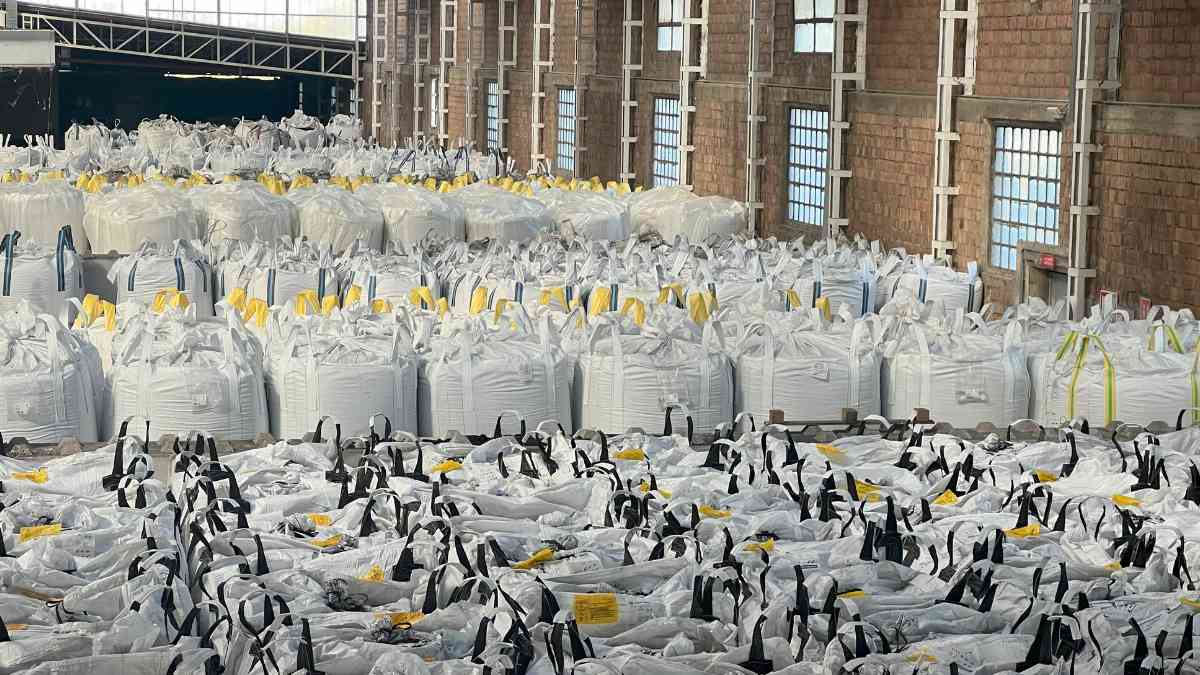
Casei Eco-System's Secondary Raw Materials Warehouse

Innovation in the Recycled Rubber Industry

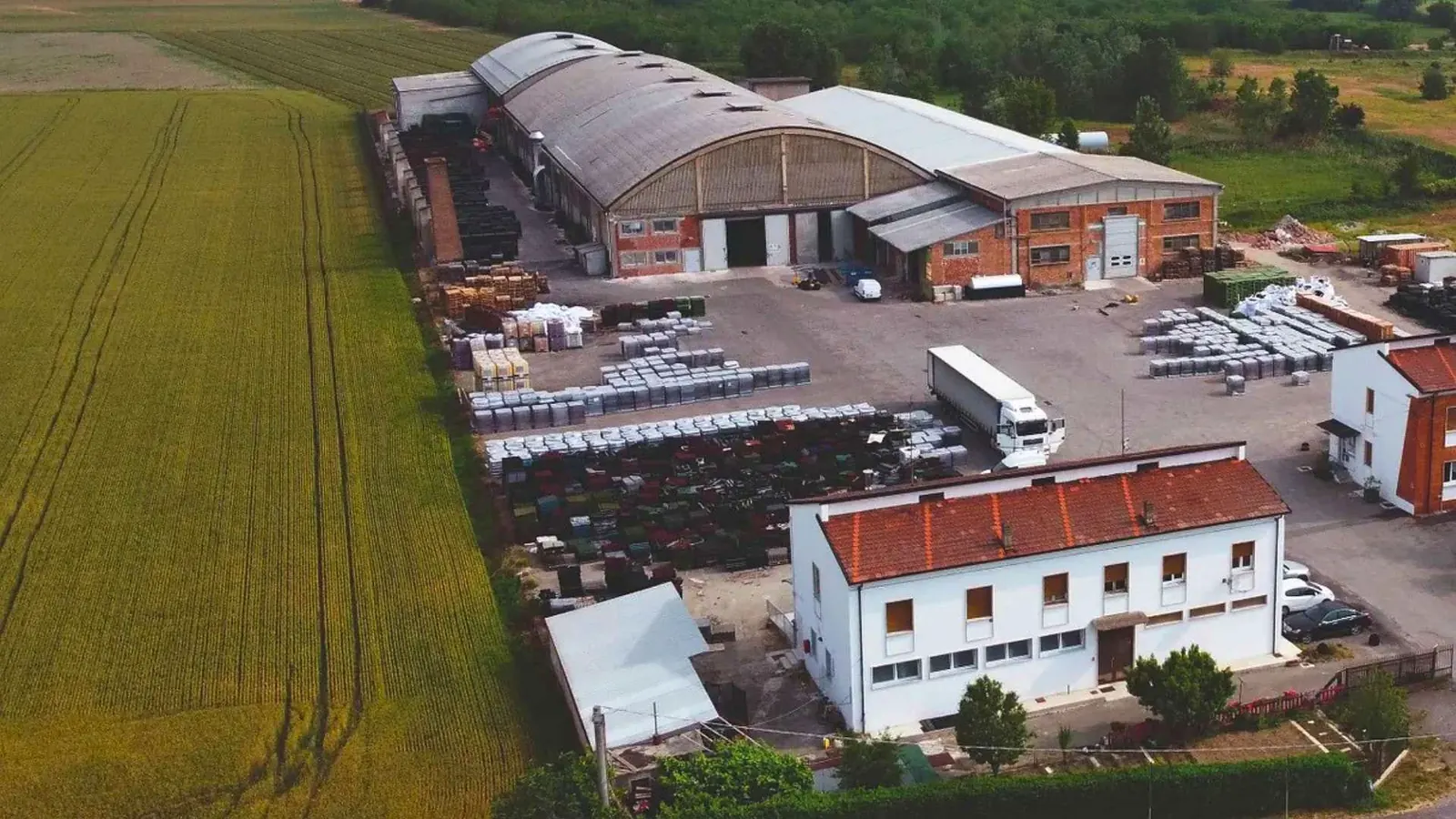
Casei Eco-System manufactures products made from recycled rubber. With two production facilities located in northern and central Italy, the company operates processes dedicated to the processing of secondary raw materials derived from end-of-life tires.

This experience has enabled us to develop solutions for various application areas, with an industrial approach focused on production continuity, customization, and relationships with professional clients.

The Role of Investment in Innovation

Innovation is a central element of Casei Eco-System’s journey. The company invests in product development and the improvement of production processes, with the goal of offering competitive solutions for various industries.

  • rubber gym flooring and equipment;
  • rolls for sound insulation applications in construction and sports facilities;
  • street furniture products;
  • products intended for road safety;
  • Customized solutions based on customer specifications.
casei eco system stabilimento molino dei torti vista ravvicinata

Toward a More Sustainable Future

Casei Eco-System continues on its path by seeking out technologies and methods capable of further improving production processes. The company’s vision remains rooted in a clear principle: producing with the environment in mind also means considering the future of the company and the industries in which it operates.

This approach supports the company’s strategic development and its commitment to continuing to innovate through the use of recycled rubber.

A B2B partner for projects and supplies

Casei Eco-System has chosen to operate as a B2B supplier to commercial and industrial entities in its areas of expertise. This approach has fostered ongoing partnerships and the development of solutions tailored to customer needs.

Rubber gym flooring, available in a variety of types, is an example of the breadth of our product line: products designed to meet different needs in terms of use, size, thickness, and performance.

Two Decades of Experience and New Goals

As it celebrates two decades in business, Casei Eco-System looks back on its achievements and forward to future opportunities with the same commitment to innovation that has defined its journey.

Teamwork, expertise in recycled rubber, and communication with customers continue to form the foundation for developing products for new applications and markets.

Discover the sectors and solutions of the Casei Eco-System →

Rubber flooring for gyms: the ideal choice for your fitness space

Rubber flooring for gyms and fitness centers

Why choose rubber flooring for your gym?

Safety and comfort first

Safety and comfort are essential elements for any gym. A recycled rubber flooring offers excellent impact absorption, reducing the risk of injury to users and damage to equipment. This type of flooring is ideal for areas where falls and impacts are common, such as weightlifting zones. In addition, the rubber surface provides a stable grip even when wet, helping to reduce the risk of slipping.

Noise reduction is another significant benefit, as it dampens the noise of falling equipment and footsteps, creating a quieter and more comfortable training environment.

Durability and maintenance

Recycled rubber flooring is wear-resistant, a feature that makes it suitable for high-traffic areas such as gyms. Its durability ensures a long-term investment. This flooring is also easy to clean and maintain, requiring only simple daily cleaning routines.

Stain and water resistance help keep the floor in good condition even after heavy use. In addition, recycled rubber flooring is made from materials sourced from end-of-life tires, contributing to resource recovery.

What floor to use in the gym?

When it comes to choosing the right flooring for a gym, there are several options available. It is important to consider factors such as safety, comfort, durability, and maintenance.

Rubber flooring

Recycled rubber flooring is a solution for those looking for recycled materials without compromising on the features required in fitness spaces. Their shock-absorbing properties are particularly useful in weightlifting zones and high-intensity functional training areas. The availability of different models and thicknesses allows you to tailor your choice to the aesthetic and functional needs of the project.

For certain outdoor applications, models with medium particle size can be considered, such as ECO-GYM, always verifying the configuration, thickness, and installation conditions in the technical documentation.

EVA Foam Flooring

EVA foam flooring is soft and cushioned, often used in areas designated for stretching or martial arts. This material offers good cushioning but not the same durability as recycled rubber, making it less suitable for high-intensity areas. EVA foam is lightweight and easy to install, but it may require more frequent replacement. It remains a viable option for specific areas where comfort and cushioning are priorities.

PVC Flooring

PVC flooring is easy to install and offers good wear resistance, but it may be less effective in terms of impact absorption compared to recycled rubber. PVC is water- and stain-resistant, but it may not offer the same level of comfort and protection as rubber flooring. The surface can also be slippery when wet.

How to clean rubber gym floor?

Cleaning and maintaining rubber gym flooring are essential to ensuring its durability and safety. These are the main steps:

  1. Daily cleaning: Use a vacuum cleaner or a broom to remove dust and surface debris, preventing dirt from accumulating.
  2. Weekly cleaning: Wash the floor with water and a mild detergent. Avoid harsh chemicals and use a mop or a suitable machine for a deeper clean.
  3. Stain removal: Use a cleaner specifically designed for rubber floors and a soft brush, following the manufacturer’s instructions.
  4. Routine maintenance: Check the floor regularly and replace any damaged sections to ensure the gym remains safe and looks its best.

For more details, see also the guide on how to clean the gym’s safety rubber flooring.

Benefits of Casei Eco-System Recycled Rubber Flooring

Innovation and quality

Casei Eco-System recycled rubber flooring combines durability, safety, and the use of recycled materials. The rubber used is wear-resistant and suitable for gyms with high usage intensity. Impact absorption helps protect equipment and makes training areas more comfortable. However, the solution must be selected based on the activity, the expected loads, and the documented performance for the specific configuration.

Flooring Suitable for Various Sports Activities

Weightlifting

In free-weight areas, recycled rubber flooring helps protect the subfloor and equipment from impact. The surface also provides a stable base during workouts.

Powerlifting

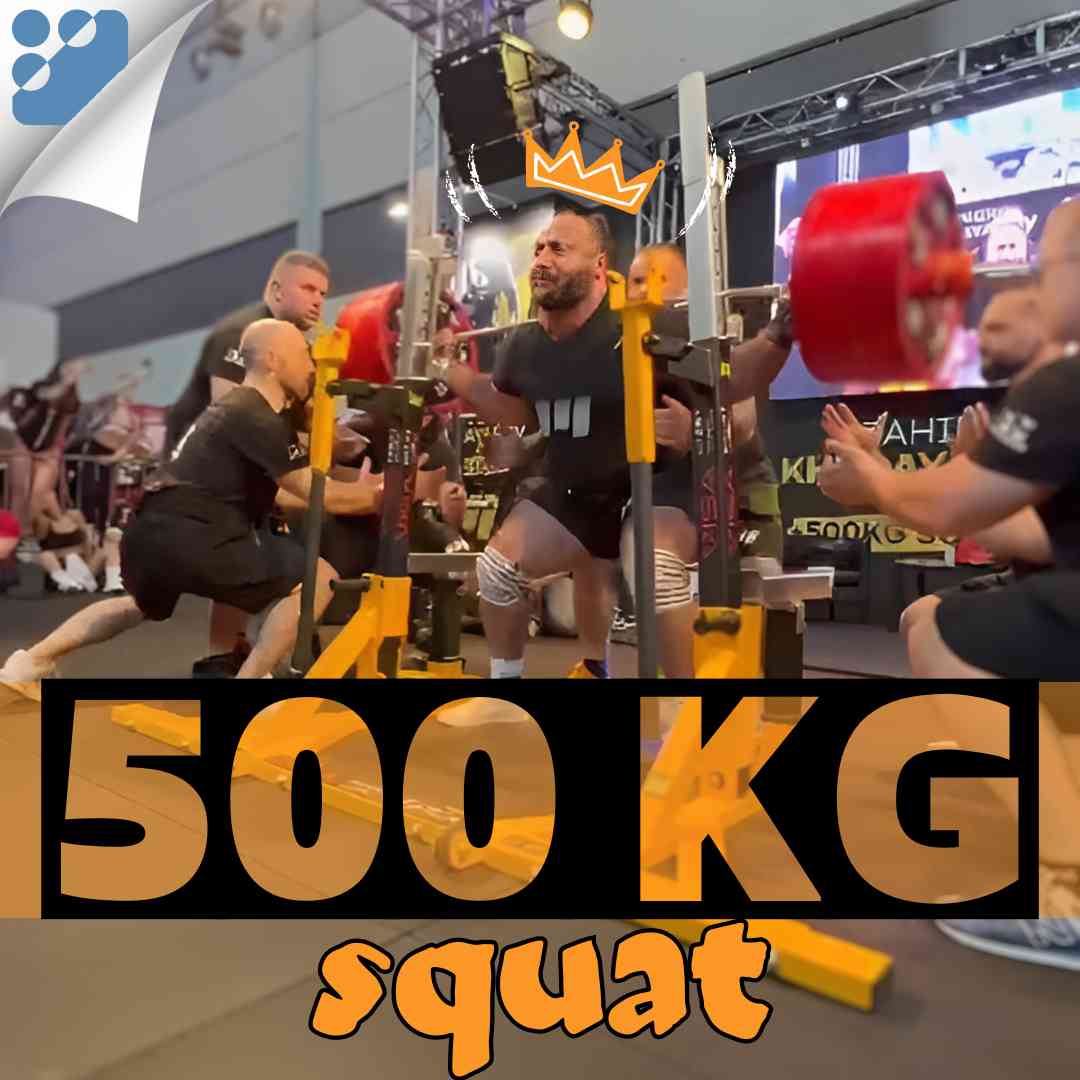
Powerlifting requires flooring capable of withstanding heavy loads and repeated impacts. Recycled rubber flooring offers durability and cushioning, which are beneficial during maximum-effort lifts. One example is the 500-kg squat record set on Casei Eco-System flooring.

Calisthenics

In calisthenics, which includes bodyweight exercises and dynamic movements, a stable surface helps reduce the risk of slipping. The rubber’s cushioning also helps protect the joints during jumps and high-impact exercises.

Cardio and Functional Training

Their stable surface and shock absorption make rubber floors suitable for cardio and functional training as well. Noise reduction is beneficial in areas with equipment and repetitive movements, while their wear resistance meets the needs of heavily used spaces.

Martial arts

Rubber flooring can also be used in certain areas designated for martial arts, where a stable surface and a certain level of cushioning are required. Suitability must be assessed based on the specific discipline practiced and the required technical specifications.

Choosing recycled rubber gym flooring means considering quality, safety, maintenance, and the use of recycled materials. Casei Eco-System offers a variety of solutions to meet the needs of modern fitness facilities.

Powerlifting at RiminiWellness: Zahir Khudayarov Lifts 500 kg in the Squat

Zahir Khudayarov performing a 500-kg squat at RiminiWellness

During RiminiWellness 2024, Zahir Khudayarov put on a powerlifting demonstration featuring a 500-kg squat. The performance took place on a floor ECO-GYM TOP surface by Casei Eco-System, made from recycled rubber derived from end-of-life tires.

The 500-kg squat at RiminiWellness

Zahir Khudayarov is a well-known athlete in the world of powerlifting. His participation in RiminiWellness, an event dedicated to fitness, wellness, and sports, drew the public’s attention to a sport that requires strength, technique, and concentration.

The event’s official page described the attempt as an effort to break the previous personal best of 480 kg. The 500-kg lift documented during the exhibition is therefore not listed in this article as an officially recognized competitive record.

ECO-GYM TOP for Powerlifting

The squat was performed on a surface ECO-GYM TOPsurface, a recycled rubber flooring made from end-of-life tires. The solution is available in various thicknesses and uses a mechanical fastening system that connects the tiles to one another, contributing to the surface’s stability.

In areas designated for powerlifting, the flooring must be selected based on the expected loads, the frequency of impacts, protection of the subfloor, and installation conditions. The characteristics and performance of the specific configuration must be verified in the relevant technical documentation.

The use of recycled rubber also makes it possible to recover material from end-of-life tires and transform it into a solution for sports facilities.

Zahir Khudayarov’s Booth at RiminiWellness 2024 Featuring ECO-GYM TOP Flooring

Zahir Khudayarov’s booth at RiminiWellness

The booth dedicated to Zahir Khudayarov hosted a demonstration of the Casei Eco-System flooring. The setup provided a live demonstration of how the surface behaved during a test using a 500-kg barbell.

The Importance of Flooring in Powerlifting

In powerlifting, the quality of the flooring is important for the stability of the lifting area, impact absorption, and equipment protection. A suitable surface must be able to withstand the expected stresses and maintain its properties during use.

Zahir Khudayarov’s demonstration provided a concrete example of the use of ECO-GYM TOP in a high-load demonstration setting. However, proper design of the area remains essential: thickness, subfloor, installation method, and intended use must be evaluated on a case-by-case basis.

RiminiWellness and the World of Fitness

RiminiWellness is an event dedicated to fitness, wellness, and sports. Each edition brings together professionals, companies, and enthusiasts through workshops, demonstrations, and presentations of equipment and solutions for sports facilities.

Zahir Khudayarov’s participation helped introduce powerlifting to a wider audience and demonstrated the interplay between the athlete, the equipment, and the technical infrastructure.

For information about the event and the competition announced for 2024, please visit the official RiminiWellness page.

Recycled Materials and Athletic Performance

The use of recycled rubber flooring in sports facilities allows for the combination of material recovery with properties that are beneficial in areas subject to repeated impacts and loads. The result, however, depends on choosing the appropriate solution and ensuring proper installation.

Khudayarov’s performance at RiminiWellness demonstrates the use of ECO-GYM TOP in powerlifting. To compare the athlete’s recorded competitive results, his OpenPowerlifting profileis also available.

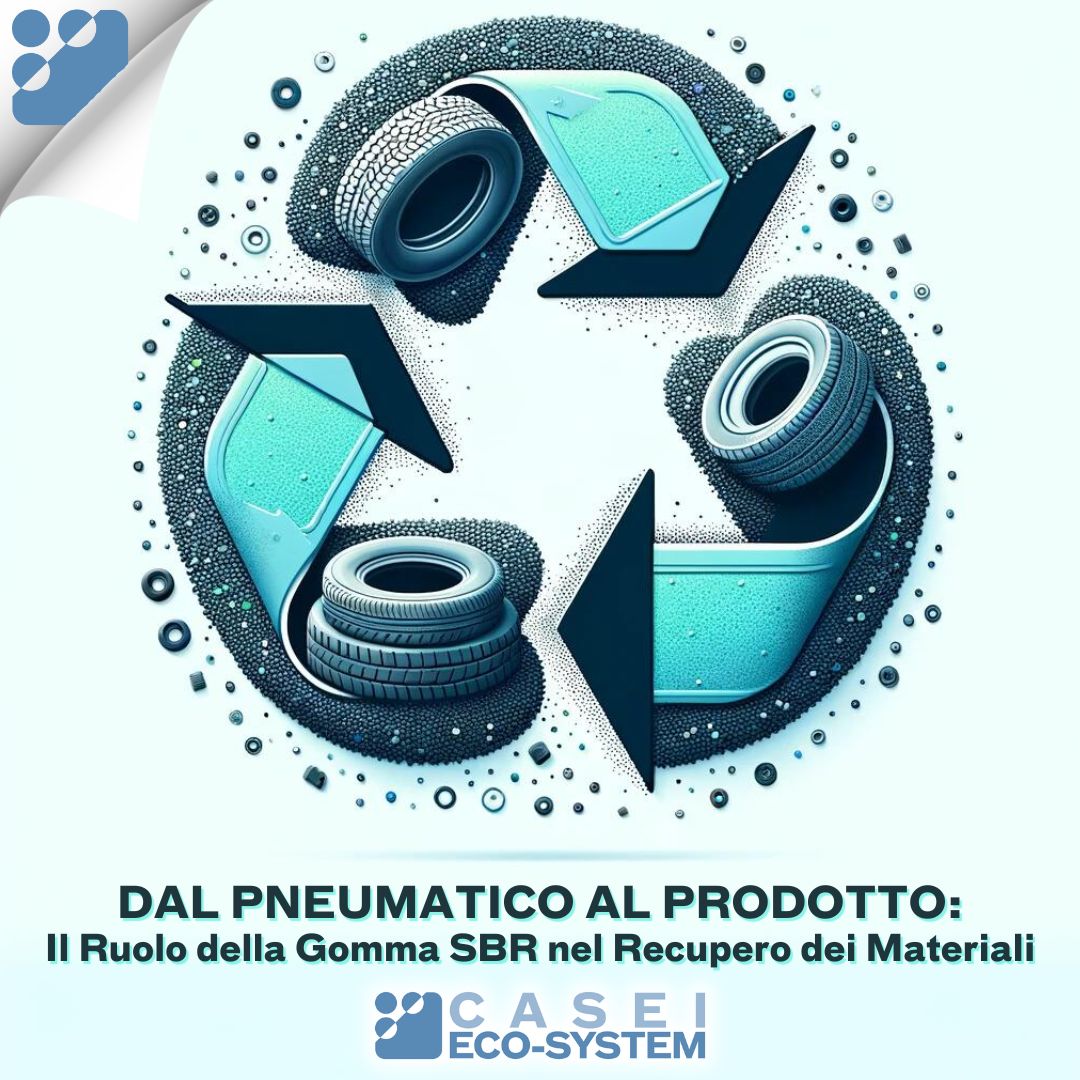
From Tires to Products: The Role of SBR Rubber in Material Recycling

CASEI POST 16

Recycling end-of-life tires allows for the recovery of materials that can be used in new products and applications. Rubber, steel, and textile fibers are separated through specific treatment processes, transforming waste into resources for various industrial sectors.

This article explores the role of SBR recycled rubber from end-of-life tires (ELTs) and, more generally, rubber derived from end-of-life tires, explaining its characteristics, the recovery process, and its main applications.

What is recycled rubber from ELTs?

Recycled rubber comes from the processing of end-of-life tires, abbreviated as ELTs. The process involves shredding the tires and then separating the various components: rubber, steel, and textile fibers.

The elastomer fraction can be processed into crumb rubber, granules, or powder, with different particle sizes and characteristics depending on the end use. However, it should not automatically be considered pure SBR: tires are complex products that may contain different elastomers, fillers, and additives.

Documentation for Ecopneus describes the recycling of rubber from ELTs and its applications in sports surfaces, construction, infrastructure, and other sectors.

Materials recovered from end-of-life tires

Rubber and SBR Components

SBR, which stands for Styrene Butadiene Rubber, is a synthetic elastomer widely used in the rubber industry and in tire manufacturing. It is valued for characteristics such as flexibility, resilience, and abrasion resistance.

In the context of ELT recovery, the term “recycled SBR rubber” is often used to refer to granules and powders intended for use in flooring and manufactured products. However, the actual composition of the material depends on the tires being processed and the production process. Therefore, the technical data sheet, declared composition, and applicable documentation must be verified for each product.

Steel

The steel in the tire structure is separated using magnetic systems. After cleaning and preparation, it can be sent to metal recovery facilities and reused as a raw material in steelmaking processes.

Textile fibers

The textile component is separated from the rubber and steel during processing. Its subsequent use depends on the degree of cleanliness, the characteristics of the material, and the available outlets. Not all recovered fibers are automatically suitable for the same applications: their quality and intended use must be evaluated on a case-by-case basis.

Applications of Recycled Rubber from ELTs

Recycled rubber is used in numerous industries. Particle size, density, binder, product geometry, and technical requirements vary depending on the intended use.

Playground Safety Surfacing and Play Areas

In playgrounds, recycled rubber is used to manufacture safety tiles and impact-absorbing surfaces. The thickness and configuration must be selected based on the required critical fall height and the tests specified by applicable regulations.

Rubber gym flooring for Gyms and Sports Facilities

In gyms and sports facilities, recycled rubber granules and products can help with impact absorption, subfloor protection, and noise reduction. The solution should be selected based on the type of activity, loads, frequency of impacts, and installation conditions.

Construction and Insulation

In the construction industry, recycled rubber can be used in impact sound insulation materials, vibration-damping systems, panels, and components designed for acoustic insulation. Performance depends on the product’s formulation and the construction system in which it is incorporated.

Road Safety and Infrastructure

Recycled rubber is also used in certain road safety components, resilient products, and asphalt modified with ELT rubber powder. Each application requires specific characteristics and testing.

Other Application Areas

Other possible applications include industrial wheels, flooring for livestock facilities, street furniture, technical components, and solutions for absorbing shocks or vibrations. The range of possible uses depends not only on the source material but also on the design and documented performance of the finished product.

Environmental Benefits and Material Recovery

Recycling end-of-life tires allows for the recovery of materials and reduces the reliance on virgin resources in applications where recycled material can replace them. It also helps keep rubber, steel, and fibers within production chains rather than sending them to landfills.

The actual environmental benefits must be assessed by considering the entire life cycle: collection, transportation, processing, manufacturing, service life, maintenance, and end-of-life recovery potential. The mere presence of recycled material is not enough to automatically classify a product as sustainable.

Challenges and Innovation in Rubber Recycling

Rubber recycling presents challenges related to the variability of the tires being processed, the separation of different fractions, the quality of the granules, and consistent performance. Compliance with technical, chemical, and environmental requirements also varies depending on the application.

The research focuses on improving selection and processing methods, the quality of recovered materials, and the development of new products. Traceability, quality controls, and relevant certifications help designers and customers make informed assessments of the available solutions.

From ELTs to New Casei Eco-System Products

Casei Eco-System uses recycled rubber to develop flooring and products for gyms, playgrounds, construction, street furniture, road safety, animal husbandry, and industrial applications. The material is transformed into products that vary in shape, thickness, and performance.

The selection process must begin with the intended use and the product’s technical documentation. In this way, tire recycling can lead to verifiable solutions that are tailored to the project’s needs.

Thermal Expansion and Recycled Rubber Playground Safety Surfacing

ECO-GYM LOCK System for limiting the movement of rubber flooring

Playground safety surfacing made from recycled rubber is increasingly used in sports and wellness facilities, from gyms to areas dedicated to Cross Training and calisthenics. However, temperature fluctuations and repeated mechanical stress can cause the tiles to shift. The ECO-GYM LOCK system was developed to mechanically connect the flooring elements and help limit their movement.

Thermal Expansion in Rubber Flooring

Like many materials, rubber can also undergo dimensional changes as the temperature fluctuates. In loose-lay flooring systems, these variations can result in slight movement between the tiles. The extent of this phenomenon depends on the product, the temperature range, the subfloor, exposure, and installation conditions; therefore, it is necessary to refer to the technical documentation and installation instructions.

Simple support installation and plate movement

A loose-lay installation allows for easy inspection and replacement of individual flooring elements. On its own, however, it does not counteract movements caused by thermal cycles and the repeated mechanical stresses typical of sports facilities.

Diagram of the ECO-GYM LOCK system for connecting rubber plates

How the ECO-GYM LOCK System Works

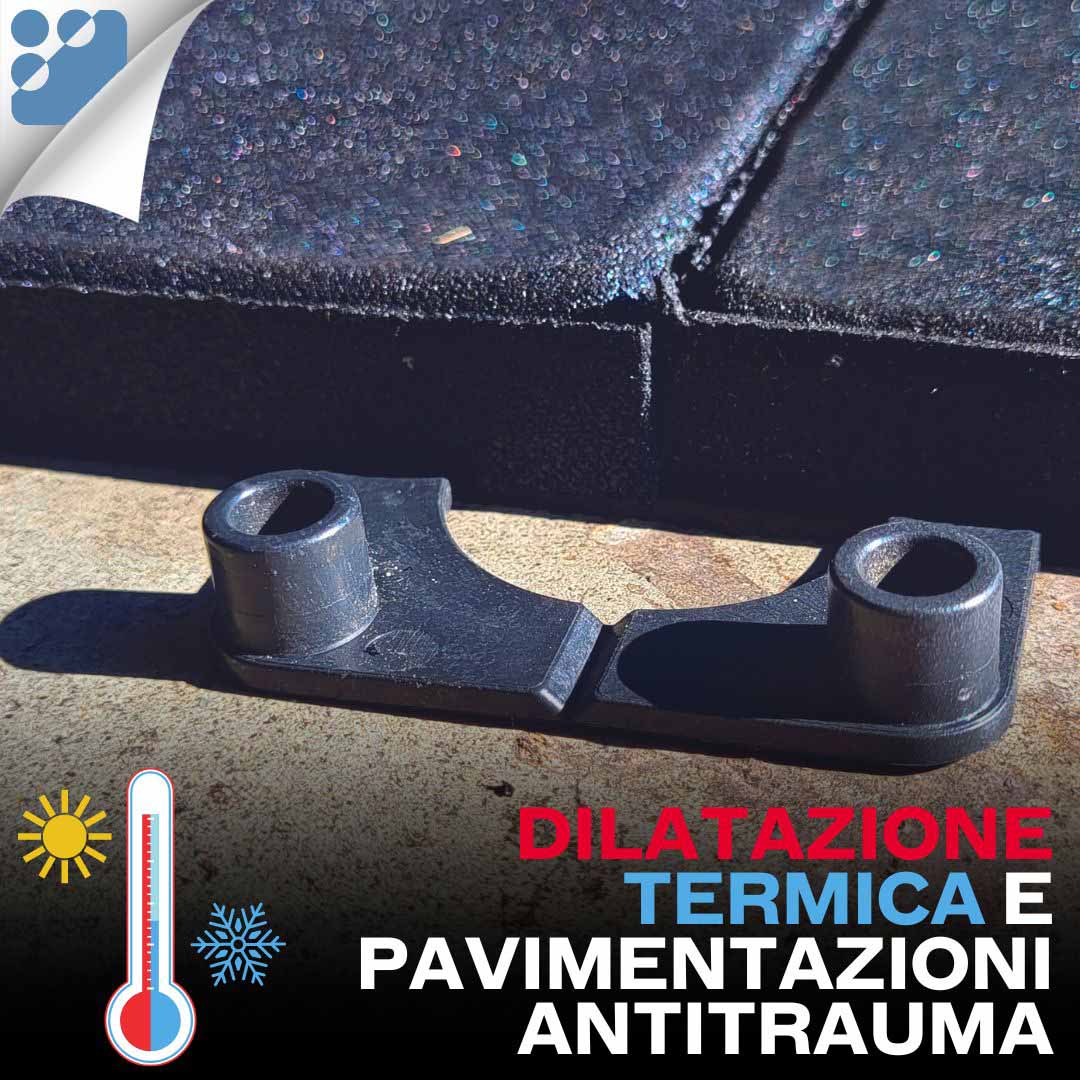
ECO-GYM LOCK uses mechanical anchor plates positioned at the corners of the rubber elements. This connection helps limit relative movement and the opening of the joints. The system can be installed as a floating floor or, when the project and subfloor allow, secured to the substrate with suitable anchors, always following the Casei Eco-System installation instructions.

Stability, Cleanliness, and Maintenance

Limiting the width of the grout joints helps maintain a more uniform surface, reduces the buildup of dirt in the joints, and provides better protection for the edges of the tiles. Cleaning and maintenance are also easier, provided that the procedures specified for the product and the environment in which it is used are followed.

Detail of the ECO-GYM LOCK mechanical connection between safety mats

Design and Installation: Points to Check

Before installation, it is advisable to consider the following:

  • flatness and condition of the subfloor;
  • intended indoor or outdoor use, exposure, and expected temperature range;
  • product size and thickness;
  • perimeter fasteners and necessary joints;
  • expected static and dynamic loads;
  • suitability of any fastening system;
  • requirements set forth in the technical documentation and installation instructions.

ECO-GYM LOCK for sports facilities

The ECO-GYM LOCK mechanical connection is a solution designed to improve the continuity of playground safety surfacing in sports facilities subject to frequent wear and tear. The correct configuration must be determined based on the application, the characteristics of the subfloor, and environmental conditions.