
The safety of impact-absorbing surfaces is an essential consideration in play areas and playgrounds, where the risk of falling from playground equipment must be taken into account. The UNI EN 1177 standard defines test methods for evaluating the impact attenuation of surfacing materials and determining the critical fall height using the HIC test.
In this guide, we’ll explore what HIC stands for, how the test is conducted, and how to interpret the results when selecting a surface for play areas.
What is the HIC test, and why is it important?
HIC, which stands for Head Injury Criterion, is a parameter calculated based on the deceleration recorded when an instrumented test head strikes a surface.
- As the HIC value increases, the severity of the impact detected by the test increases.
- EN 1177 uses HIC 1000 as the upper acceptability limit.
- The standard also takes into account the peak acceleration gmax 200.
These parameters are used to classify the performance of the surface under test conditions. They do not eliminate the risk of injury and must be evaluated in conjunction with the proper design, installation, and maintenance of the play area.
Critical fall height
The critical fall height is the test result used to define the surface’s range of use. It is determined by considering the heights at which the HIC 1000 and gmax 200 limits are reached, in accordance with the method specified in the standard.
- It allows you to compare the flooring’s performance with the equipment’s free-fall height.
- It helps designers and managers identify a surface with adequate attenuation capacity for the specific area.

UNI EN 1177 and Test Requirements
UNI EN 1177 implements the European standard for impact-attenuating playground surfaces. The updated European edition is EN 1177:2018+A1:2023; to determine the exact applicable national edition, it is always advisable to consult the UNI catalog and the project’s contractual documentation.
The key points include:
- HIC Calculation: An Instrumental Procedure for Assessing the Severity of the Impact.
- Maximum HIC of 1,000: the threshold used to evaluate the surface.
- gmax maximum 200: limit on peak acceleration.
- Method 1: Determining the critical fall height of the surface.
- Method 2: On-site test to verify the performance of the surface as installed at the specific location and time of measurement, without determining the critical height.
How is an HIC test performed?
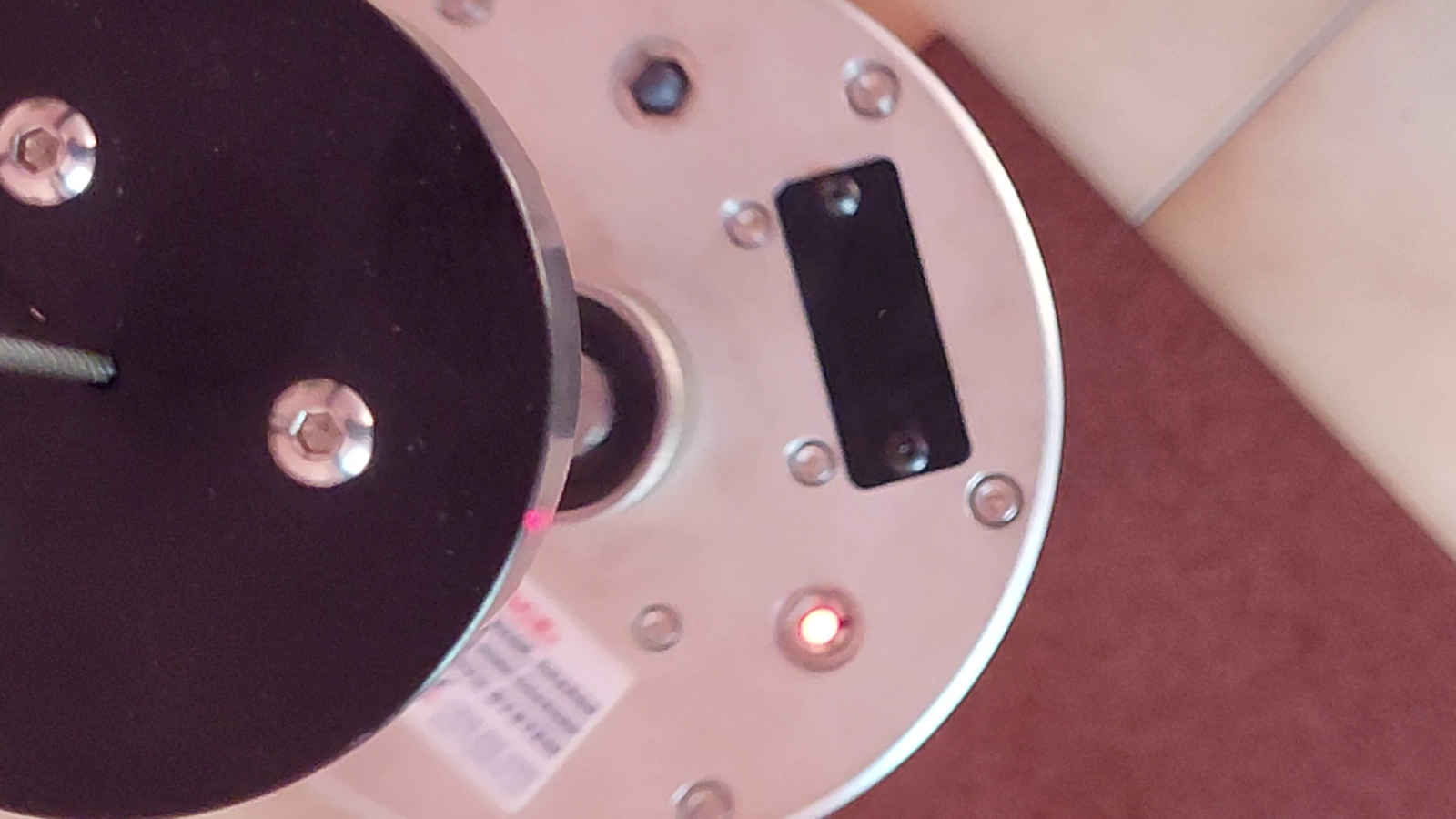
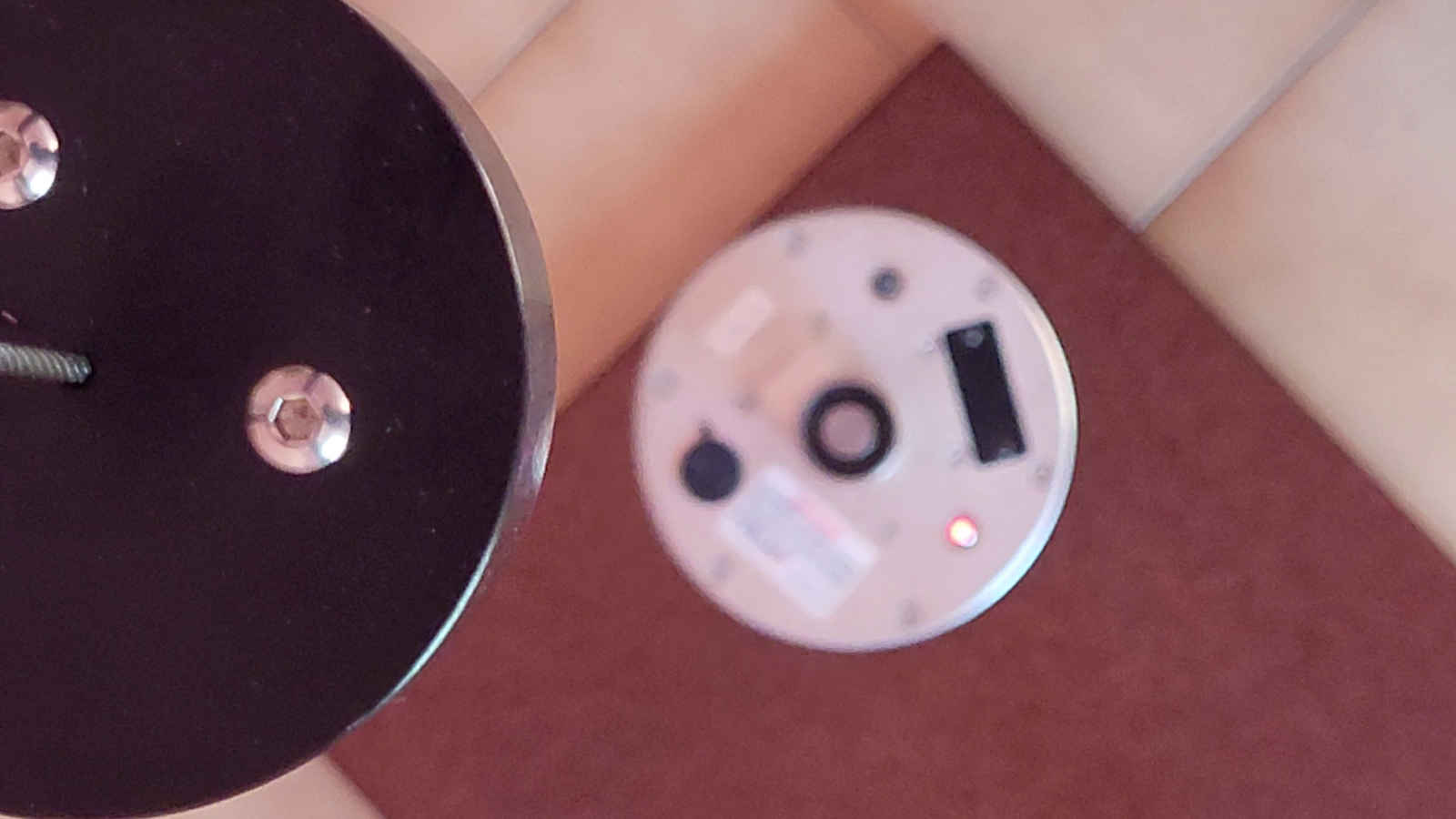
The test requires specific equipment and qualified personnel. The main components are:
- Instrumented test specimen: equipped with accelerometers to record the impact.
- Data acquisition system: processes acceleration, the HIC value, and gmax.
- Surface to be tested: laboratory sample or installed flooring, depending on the method used.
Test Procedure
- Sample preparation or identification of test locations on site.
- Release of the instrumented head from specified heights.
- Recording the acceleration curve during the impact.
- Calculation of HIC and gmax values.
- Determination of the critical fall height when Method 1 is used.
Interpreting Results at Playgrounds
- HIC ≤ 1000 and gmax ≤ 200: The surface meets both criteria under the conditions and at the height considered in the test.
- Exceeding one of the two limits: the measured height falls outside the performance range determined by the test.
The critical fall height specified for the surface must be at least equal to the free-fall height of the equipment expected in the impact area. It is also necessary to follow the manufacturer’s instructions regarding thickness, substrate, installation, and maintenance.
HIC Test in the Casei Eco-System
Casei Eco-System uses HIC testing on its products to monitor the consistent performance of playground safety surfacing such as ECO-SOFT →. Internal testing supports production process control; however, the documentation required for a specific project must be evaluated based on the scope of supply, configuration, and applicable conditions.
The HIC test is therefore an important technical tool for selecting and verifying safety surfacing intended for play areas. The results must be interpreted within the context of the entire project, taking into account the height of the equipment, proper installation, and inspection and maintenance procedures.