Gym flooring specifications: technical guide to choice

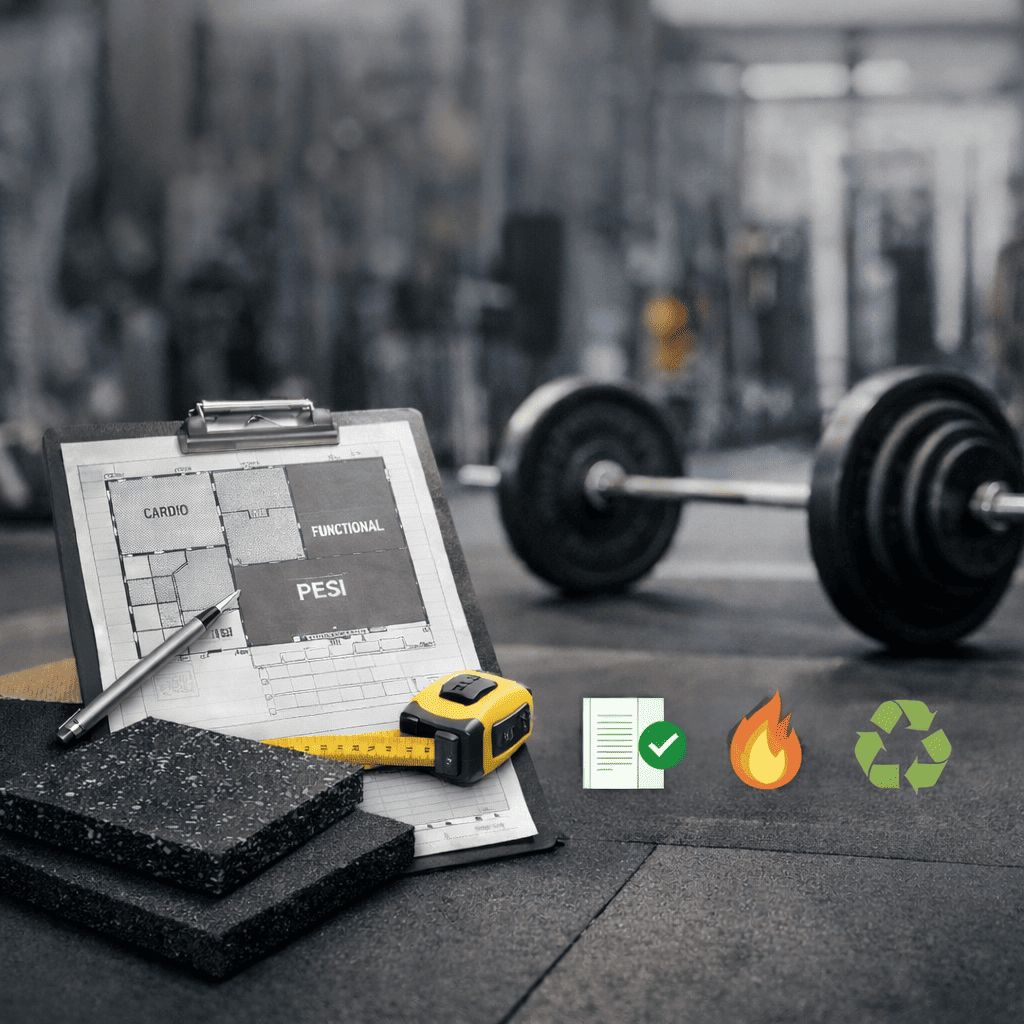
Floor plan of the gym areas, flooring samples, and equipment for the technical specifications

we wanted to talk to you about

How a project changes when flooring is chosen first

From mapping functional zones to specifying technical requirements: everything you need to properly design a gym with recycled rubber flooring, all in one place.

In most gym projects, the flooring is chosen in the final weeks, when the budget is already tight and the schedule leaves no room for second thoughts. Many are familiar with the result: a material chosen in a hurry, a generic specification left open to the installer’s interpretation, and, a few months later, the first phone calls from the client.

Yet anticipating this decision by a few weeks substantially changes the outcome. It allows requirements to be differentiated by zone, the right documentation to be included in the specifications the first time around, and the avoidance of cost overruns from incorrect specifications or nonconformities discovered after the work is completed.

This guide addresses just that: how to properly set up the designers’ choice of gymnasium flooring, what to consider when specifying, and what documents to request to close the project with the soundness it deserves.


Start with the map, not the product

A gym is not a uniform space. It is a collection of areas with very different uses, stresses and criticalities. Therefore, the flooring should never be defined with a single logic for the whole environment.

The first correct step is to divide the gym into functional zones. Even a preliminary classification, drawn on the floor plan in a simple way, already helps to avoid many wrong choices.

In the cardio and light activity area, distributed loads and continuous use prevail. Here surface continuity, stability under machinery, and resistance to daily wear and tear matter most.

In the functional, course, and middleweight area, the flooring must accompany variable activities, frequent movement, and possible impacts with small equipment. Therefore, a proper balance between stability, comfort of use and absorption capacity is needed.

The heavyweight and barbell area is the most critical. Here we are not just talking about wear and tear, but repeated impacts, significant loads, and protection of the subfloor. An undersized choice in this area almost always pays off over time.

Then there are corridors, interior pathways, and areas adjacent to escape routes, where in some contexts fire response becomes a requirement to be specifically guarded.

The point is simple: good design does not choose “gym flooring,” but identifies the most consistent solution for each zone.

Which solution to choose: first the logic, then the product

One of the most frequently asked questions is, “What thickness do I put in the weight area?” It is an understandable question, but it comes too soon. Before thickness there are other decisions that condition the choice and, if addressed in the wrong order, easily lead to cost overruns or ineffective specifications.

In areas with regular traffic, where a continuous surface is needed, the most rational solution is often roll paving. ECO-GYM ROLL responds well to this scenario: it helps maintain surface continuity and is suitable for spaces where particularly heavy impacts are not expected.

When the project includes areas with different intensities of use, or when the possibility of localized intervention over time is a real advantage, the modular plate is often the most flexible choice. ECO-GYM fits into this logic and is suitable when a versatile technical solution is needed, capable of adapting to different contexts of use.

When looking for a more uniform and smoother surface finish, ECO-GYM TOP is the natural alternative: it retains the modular logic of ECO-GYM, but with a more compact and regular surface due to the superfine grain of the surface material.

If, on the other hand, the project also attaches importance to the geometry of the module and the visual impact of the surface, ECO-GYM TOP ESA can be considered as a solution with a more pronounced formal characterization. Again, however, aesthetics only make sense if it remains consistent with the actual use of the area.

When reaction to fire comes into play, the logic changes. Here it is no longer a matter of comparing equivalent solutions, but of specifying the correct product according to a specific requirement. In standard versions, recycled rubber flooring normally has a basic classification, typically Efl; when the project requires higher performance, specific versions with improved classifications must be provided. ECO-FLAME STOP GYM should be considered precisely in this logic, i.e., when fire rating is an explicit design requirement.

One key point: it does not replace the floor of the facility

It pays to be very clear here, because it is a technical point that is often misunderstood.

In applications normally intended for fitness environments, this flooring is generally placed on an already finished surface, does not replace the floor of the structure, and is not intended, as such, to be permanently incorporated into the work. In fact, the CPR defines “construction product” as a product placed on the market for permanent incorporation into construction works, affecting the performance of the work itself. It also clarifies that the concept of construction product is related precisely to permanent incorporation in the work.

Hence, in the use configurations normally adopted for gyms and fitness rooms, a removable floor laid on finished support does not normally fall within the logic of a construction product subject to DoP and CE marking under CPR. The practical consequence is important: documentary assessment should be set up in a manner consistent with this intended use, avoiding improper requirements and focusing instead on documentation that is truly relevant to the project.


Public procurement and REMADE: when it really matters

In public procurement, material sustainability is not a decorative topic. If recycled content is to be enhanced and documented, a solid documentary basis is needed.

REMADE certification is useful precisely in this context: the scheme is designed to attest to the recycled content of products and is used as documentary support in public procurement and Green Public Procurement.

For the ECO-WELLNESS range, the point to be made very clear is that not all products should be presented in the same way. Some products, such as ECO-GYM, ECO-GYM TOP and ECO-GYM ROLL, are REMADE certified and have recycled material contents around 90 percent. Timely specifications and updated values should always be checked on individual product pages.

At the specification stage, there are three practical aspects that should not be overlooked. The first is that REMADE certification should be explicitly requested already in the document flow of the job order. The second is that when CAM documentation is needed, the product variant that is actually compatible with the one requested must be precisely verified. The third is that documented recycled content is a concrete element of the technical bid, not just a business argument.

Maintenance should be thought of before, not after

A rather frequent mistake is to consider maintenance as a matter for the manager and not the designer. In reality, a pavement can be chosen correctly and deteriorate early if no one has passed on minimum directions for use.

Therefore, it is useful to provide essential but clear instructions in the final specifications, or at least in the delivery documentation. For routine cleaning, the use of neutral detergents compatible with rubber should be indicated, avoiding excess water and aggressive products. For more intensive periodic cleaning, however, criteria compatible with the surface should be maintained.

Then there are three categories of products to avoid: solvents, strongly acidic or alkaline cleaners, and wax-based products. These are choices that can alter the surface and compromise its behavior over time.

Finally, two durability caveats are worth pointing out: avoid contact with sharp or pointed objects and clarify that a color evolution over time may be a natural characteristic of the material, not necessarily a defect.

You can learn more about this topic by reading the related article: How to Clean Rubber Gym Flooring

How to write a specification that holds up

A specification item such as “recycled rubber gym flooring” leaves too much room for interpretation and does not truly protect the project.

A more robust specification should indicate, for each zone, at least these elements: intended product family, possible variant, required format and thickness, installation method, possible fire reaction requirement, possible REMADE certification requirement, and technical documentation to be provided.

This approach makes the specifications more readable, more auditable on the construction site, and more defensible if supply compliance is challenged.

Samples and technical documentation: how to request them in a useful way

When the gym is still being defined, the most prudent choice is to verify physical samples, surface finish and technical documentation before closing the specification.

All that is needed to do this effectively is a little information: design areas, type of intended use, any fire reaction requirement, and any REMADE-related requirements.

On this basis, relevant samples, updated data sheets, and necessary documentation can be requested to complete the specification in a manner consistent with the project.

Properly designing a gymnasium with recycled rubber flooring means making a less generic and more reasoned choice. It means starting from the zoning map, assessing the actual use of the spaces, distinguishing the really relevant requirements, and setting a specification that does not leave essential points uncovered.

It also means clarifying an often overlooked aspect: in the applications normally envisioned for fitness, this flooring does not replace the floor of the structure, but is configured as a removable technical surface resting on already finished support. It is from here that the correct documentation approach also follows.

To learn more about the features, finishes and recycled material content of REMADE-certified products, the correct reference is still the individual product page.

Casei Eco-System has been producing recycled rubber flooring from end-of-life tires for more than 20 years. All products are made in Italy, REMADE® certified and available with technical documentation verified by accredited laboratories.

FAQ: Recycled Rubber Gym Flooring

What is the best recycled rubber gym flooring?

There is no absolute best solution, because the choice depends on the type of activity in different areas of the gym.

A cardio zone, a functional area or a weight room do not have the same requirements. Therefore, the correct choice does not start with the product, but with the function of the space and the expected loads.

Is it better to roll rubber flooring or gym tile flooring?

It depends on the context of use.

Roll paving is more suitable for areas with regular traffic and light activities, where a continuous and uniform surface is needed. Modular plates are often preferred in technical areas or areas subject to variable loads, because they allow greater design flexibility and easier management by zones.

What thickness should a gymnasium floor be?

Thickness is important, but it cannot be chosen alone.

It should be defined according to the type of activity, loads, frequency of use, presence of heavy equipment, and characteristics of the substrate. In other words, there is no right thickness that is valid for the whole gym.

Is recycled rubber flooring suitable for a weight room?

Yes, but only if chosen correctly.

Areas with balances, high loads, or high-impact activities require flooring designed to withstand significant stresses and protect the subfloor. An inadequate solution can reduce the life of the system and compromise the functionality of the space over time.

Is recycled rubber flooring fire-resistant?

In general, no, at least not in the standard versions.

Standard recycled rubber flooring normally has a basic level fire rating, typically Efl. This means they are not automatically designed to meet more stringent fire requirements. When the project requires higher performance, specific products with improved classifications must be provided.

When do you need flooring with specific fire rating?

It is needed when the project specifically requires it, such as for particular environments or specification requirements.

In these cases, it is not enough to generically state recycled rubber flooring. The fire reaction requirement must be specified and it must be verified that the selected product is indeed suitable to meet it.

Are all recycled rubber flooring products REMADE-certified?

No, not all of them.

Some products, such as ECO-GYM, ECO-GYM TOP and ECO-GYM ROLL, are REMADE certified and have recycled material contents around 90%. Point specifications and updated values can be found on the individual product pages.

Is REMADE certification useful in public procurement?

Yes, it is useful.

In public procurement, when the recycled material content needs to be enhanced and documented, REMADE certification is a concrete element to be considered already at the specification stage. This is precisely one of its stated uses in the context of Green Public Procurement.

What should be written in the specifications for a gym floor?

A voice that is too general is not enough.

In a professional specification, it is advisable to indicate at least the intended use of the area, intended product family, method of installation, any reaction-to-fire requirements, and any REMADE documentation requirement, as well as the technical documentation to be delivered.

Should gymnasium floor maintenance be considered at the design stage already?

Yes, because the durability of the system depends not only on the material chosen, but also on how it will be managed over time.

Providing minimum directions for use and cleaning, or including them in the final documentation, helps to avoid misuse and deterioration due to treatments that are not compatible with the material.

Merry Christmas 2025

Merry Christmas 2025 Greetings from Casei Eco-System with a Christmas tree

We wanted to wish you

We renew our good wishes, as well as the materials!

The Christmas season is, for everyone, a time of pause. But it is also an opportunity to look back on the journey we have made in 2025 and reflect on what lies ahead in the new year.

For more than two decades, at Casei Eco-System we have been working to transform recycled rubber into concrete solutions for sports, urban space, safety and industry. A daily commitment that combines sustainability, innovation and industrial vision, with the aim of contributing to a more responsible and lasting development.

With this short video we would like to share our wishes for a happy holiday season and thank the customers, partners and collaborators who have accompanied us throughout the year. Each project carried out together represents a step toward a more efficient, environmentally conscious and future-oriented production model.

Even during the holidays, our promise of continuous innovation in the service of quality and sustainability remains unchanged. The year 2026 will bring new challenges, which we will meet with the same passion and dedication that has always set us apart.

We wish you and your families a peaceful Christmas and a new year full of opportunities.

Happy Holidays from the entire Casei Eco-System team


Operational Information – Holidays 2025/2026

  • Shipments active until Friday, December 19, 2025, with resumption from January 7, 2026
  • Offices open Dec. 22-23 and 29-30, 2025 with reduced operations
  • Resumption of normal work from January 7, 2026

EN 71-3: Chemical Safety and Recycled Rubber Materials

EN 71-3 Testing of Recycled SBR Rubber for Chemical Safety

we wanted to talk to you about

Chemical safety according to EN 71-3

EN 71-3 defines migration limits for potentially hazardous chemicals from materials that may come into contact with children. In recent years, it has also become a reference for those working with polymeric materials and recycled solutions, because it allows them to clearly demonstrate that the product meets strict chemical safety criteria. Applied to recycled SBR rubber, the standard offers an additional level of reliability, combining a focus on sustainability with scientific verification of substances that can actually migrate from the material. An approach that meets the needs of designers, industry professionals and managers of sensitive environments who are increasingly focused on quality and transparency.
What is EN 71-3 and why was it introduced?

EN 71-3 is a European standard developed by the CEN – European Committee for Standardization, designed to assess the amount of chemical elements that can migrate from a material when it comes into contact with a child.
This requirement stems from the awareness that certain materials may release heavy metals or other substances under real-world conditions, such as saliva, sweat, or moisture.

The standard does not evaluate the total content of a substance, but only what can actually migrate, as outlined by the European Commission – Chemical Requirements for Toy Safety.which considers EN 71-3 to be one of the most important references for ensuring the safety of materials intended for children.

What chemical elements does EN 71-3 control

The test focuses on the migration of specific metals and potentially toxic elements, including:

  • Lead (Pb) – neurotoxic, extremely low migration limits
  • Cadmium (Cd) – associated with kidney and bone damage, almost zero migration
  • Chromium (Cr III and Cr VI) – Cr VI is highly dangerous
  • Arsenic (As) – carcinogenic, strict thresholds
  • Mercury (Hg) – neurotoxic, near zero migration
  • Selenium, barium, boron, antimony, tin and other elements – monitored for known toxicity

The limits were developed from toxicological studies and realistic exposure scenarios reconstructed by the European Commission.

What the test is concretely for

The EN 71-3 test simulates real contact through three stages:

  1. Immersion of the material in an acidic solution that replicates saliva.
  2. Liquid analysis to measure the amount of each element migrated.
  3. Comparison with the limits of the standard for the material category tested.

The official CEN methodology provides standardized conditions so as to ensure repeatable and comparable results.


Accredited certification institutes and laboratories

The tests required by EN 71-3 are carried out exclusively by laboratories accredited according to ISO/IEC 17025, which can guarantee reliable measurements and methods in accordance with European standards. International bodies that regularly perform these tests include entities such as TÜV Rheinland and SGS, which apply harmonized protocols and rigorous quality control. The use of accredited laboratories ensures traceable results that comply with the procedures required by European legislation.

Why EN 71-3 is also used outside the toy industry

Although mandatory only for toys, EN 71-3 is now widely used as a voluntary reference for assessing the chemical safety of materials intended for:

  • play areas and children’s spaces
  • schools and kindergartens
  • gyms and sports centers
  • high-traffic public environments
  • Recycled products used in sensitive contexts

The reason is simple: it offers an objective and transparent criterion for demonstrating the absence of significant release of unwanted substances.

Why it is relevant to recycled SBR rubber

SBR rubber derived from end-of-life tyres (technical abbreviation: ELTs) is used in technical flooring such as:

  • non-trauma surfaces for play areas
  • sports floors for indoor and outdoor use
  • modular technical tiles

In all these applications, materials can be touched, stepped on, by children and adults.

For this reason, Casei Eco-System subjects the main compound mixtures used to manufacture its SBR recycled rubber products to the migration test specified in EN 71-3, ensuring that the migration of the tested substances remains below the permitted limits.

The result is a recycled, compliant material that combines:

  • verified chemical safety
  • environmental sustainability
  • high mechanical performance

Interpreting a test report EN 71-3

An EN 71-3 report indicates for each element:

  • measured value
  • maximum migration limit
  • result: “pass” or “fail”

Compliance is achieved only if all elements are within the prescribed limits.

A competitive advantage in the B2B market

In the professional sector, what really distinguishes a material is not only its performance or its ability to last. Increasingly, aspects related to chemical safety and compliance with recognized standards come into play, elements that allow a product to be evaluated more comprehensively and reliably. In this context, EN 71-3 represents a concrete added value: it demonstrates that the material has undergone rigorous testing and meets objective quality criteria, thus strengthening the credibility of the proposed solutions and making them more easily adoptable in technical projects and professional contexts.

Practical Applications in Casei Eco-System Products

A significant proportion of the solutions available on the market today are also evaluated chemically, and EN 71-3 is one of the most solid references for this type of verification. In our case, several recycled SBR rubber products underwent the tests required by the standard at accredited laboratories, confirming migration values well within the established limits. These results offer an additional level of security to designers and practitioners, who can rely on materials that have already been tested according to a method recognized at the European level.

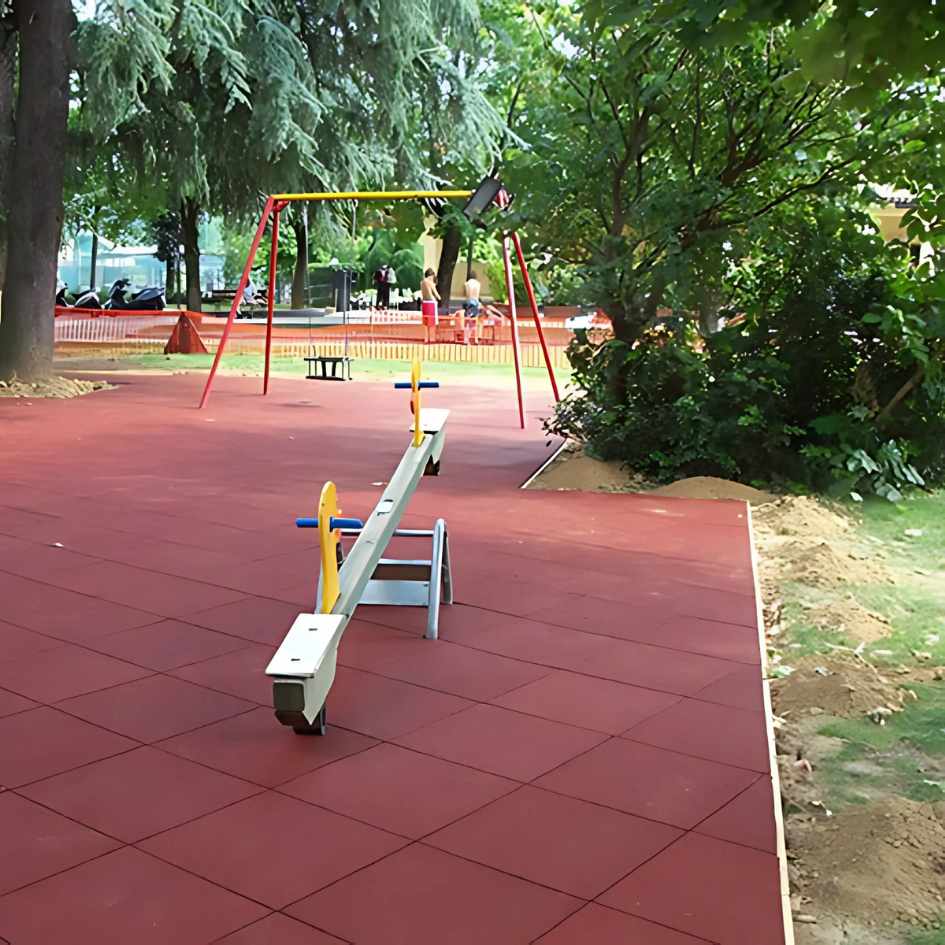
Outdoor playground with rubber playground safety surfacing

ECO-FUN

Playground safety surfacing. Solutions designed for areas frequented by children, where chemical safety is a priority.

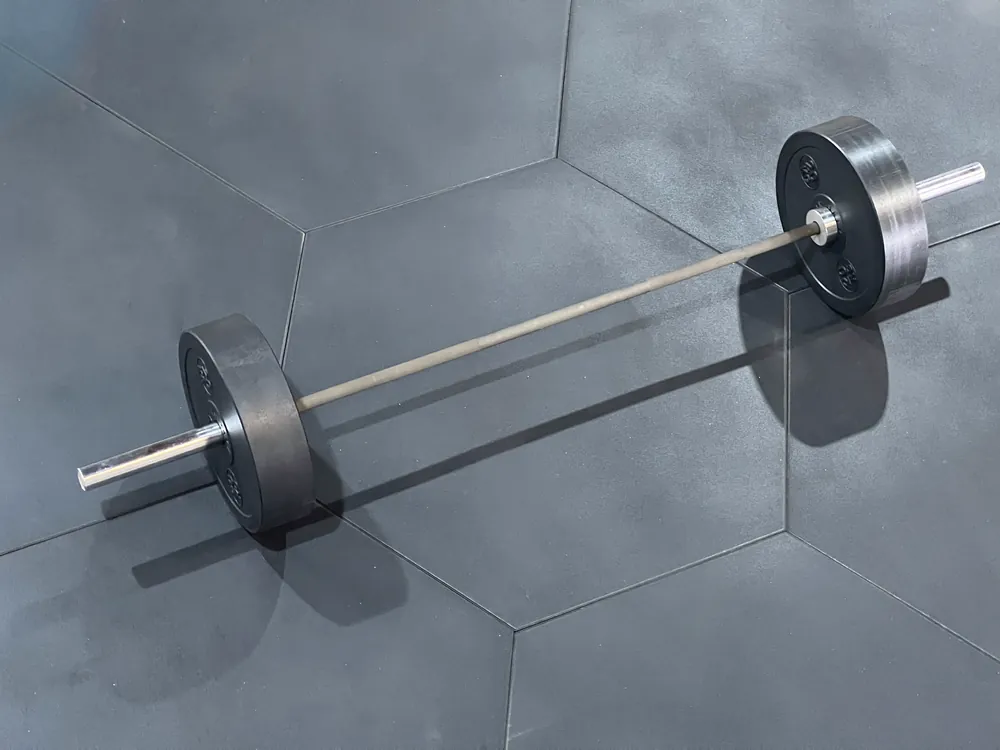
Olympic barbell with ECO-BUMPER plates on a rubberized floor

ECO-WELLNESS

Rubber gym flooring, ideal for gyms, sports centers, and high-traffic multipurpose spaces.

FAQ – Frequently asked questions about EN 71-3

Is EN 71-3 also mandatory for recycled materials?

No. The standard is only mandatory for toys, but it is also used voluntarily in other sectors to ensure a higher level of chemical safety, especially when the materials are intended for schools, playgrounds or sensitive environments.

Why does EN 71-3 evaluate migration and not total composition?

Because what matters for safety is not the total presence of a substance in the material, but the amount that can actually migrate under actual conditions of use. This principle is also emphasized by the European Commission in its section on the chemical safety of baby products.

Which materials are subject to the most restrictive limits?

Non-friable solid materials, such as vulcanized rubber, are subject to the most stringent limits. In fact, the standard distinguishes three categories based on the behavior of the material and its potential contact with the child.

Who can perform the EN 71-3 test?

The test can only be performed by laboratories accredited according to ISO/IEC 17025, such as TÜV Rheinland and SGS, which comply with harmonized protocols and testing methods in accordance with European legislation.

How long is an EN 71-3 test valid for?

Validity remains unchanged as long as the material formulation, production process or raw material suppliers do not change. Any changes require re-evaluation.

Is compliance with EN 71-3 also useful for products not intended for children?

Yes. Many manufacturers also apply EN 71-3 to items not classified as toys to demonstrate a high level of chemical safety and increase transparency to designers and operators.

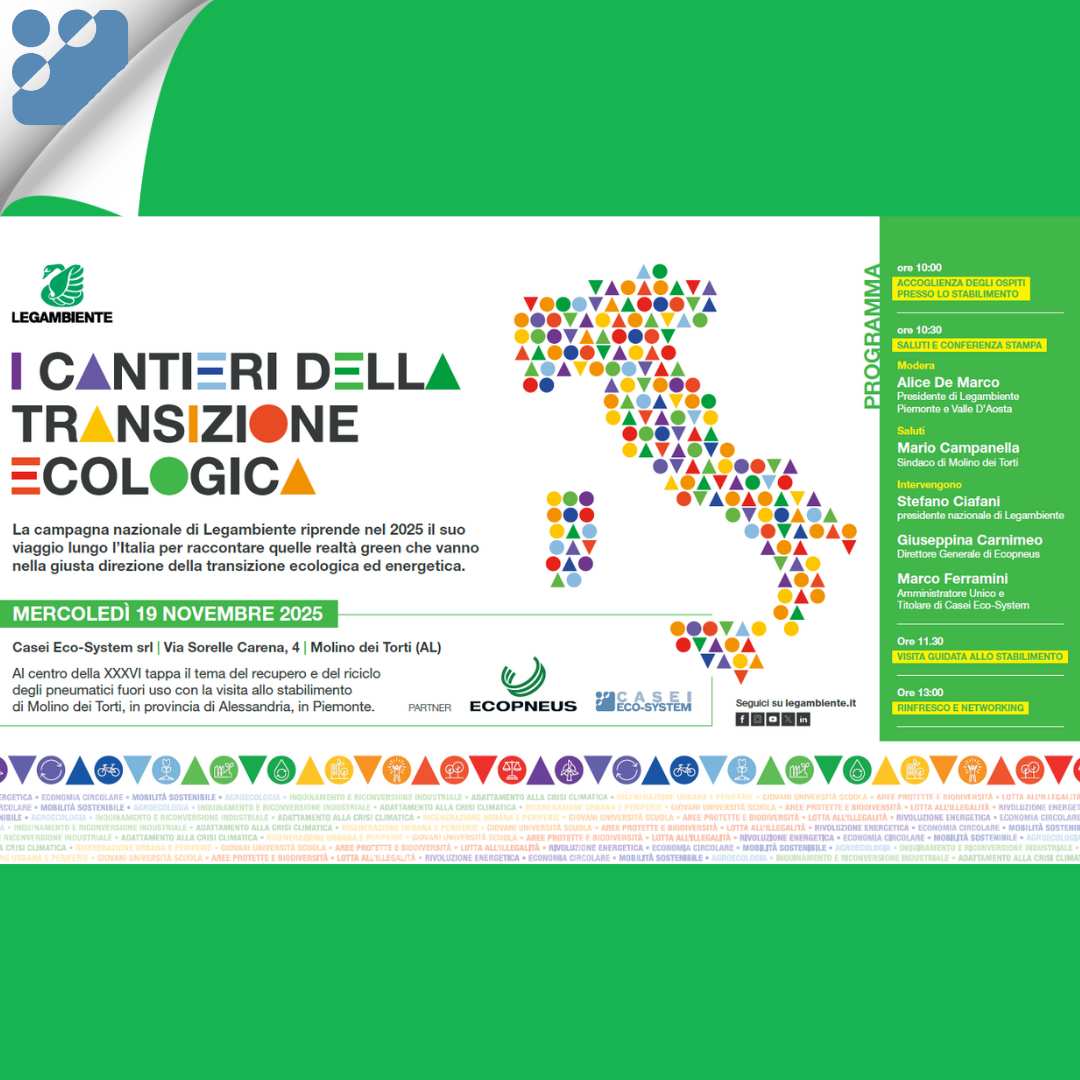
Legambiente Brings the “Cantieri della Transizione Ecologica” to the Casei Eco-System Plant

Legambiente’s 36th Stop on the Ecological Transition Tour

we wanted to talk to you about

SBR Rubber Recycling: Casei Eco-System’s Industrial Transformation
Takes Center Stage at the 36th Edition of “Cantieri della Transizione Ecologica”

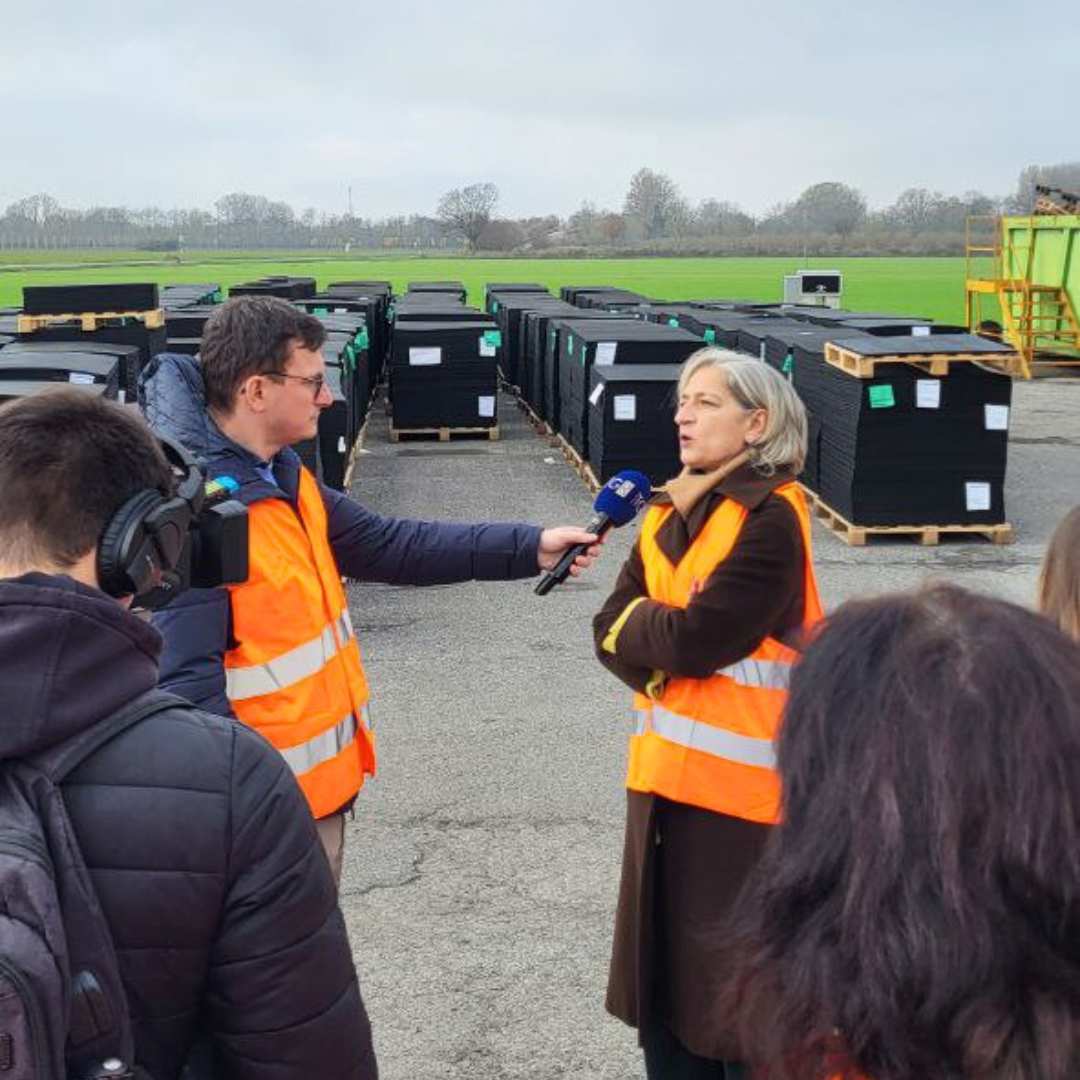
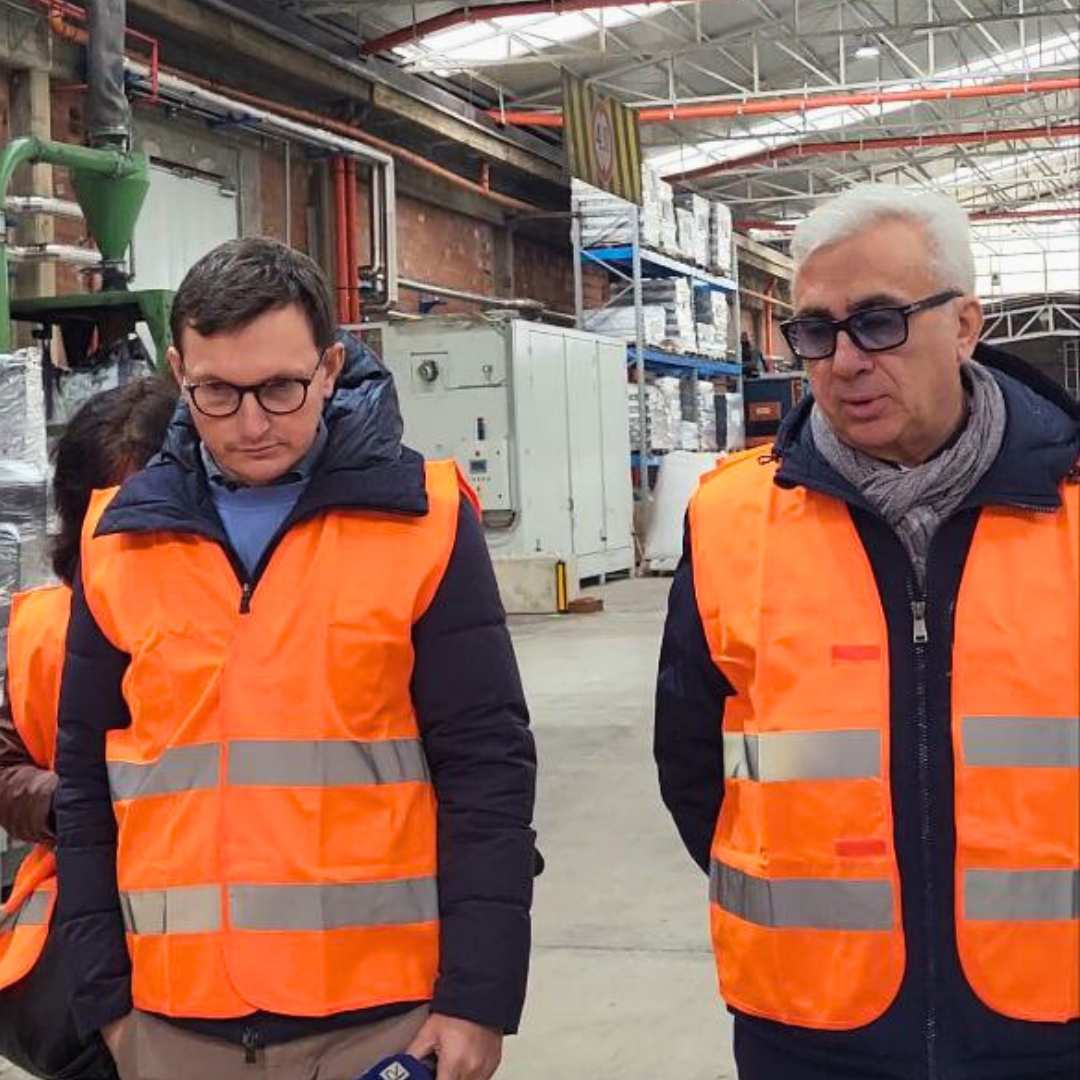
The XXXVI stage of the Ecological Transition Yards came to life yesterday inside our Molino dei Torti plant, transforming a normal working day into a moment of discussion, storytelling and appreciation of what happens daily among our production lines. Guests were welcomed since the morning in our spaces, where the tour of the plant began by accompanying them step by step through the departments: from the mixing of the recycled SBR granule to the pressing, curing and finishing stages, to the quality controls that define the reliability of our products.

The atmosphere, from the very first moments, was that of grand occasions. The guided tour allowed visitors to get a close look at the heart of the company, showing how the industrial processing of recycled rubber requires precision, investment, specialized skills and an organization that pays attention to every detail. The presence of journalists, photographers and TV crews added an extra level of interest, allowing them to enhance through images and interviews what often remains hidden behind the finished product.

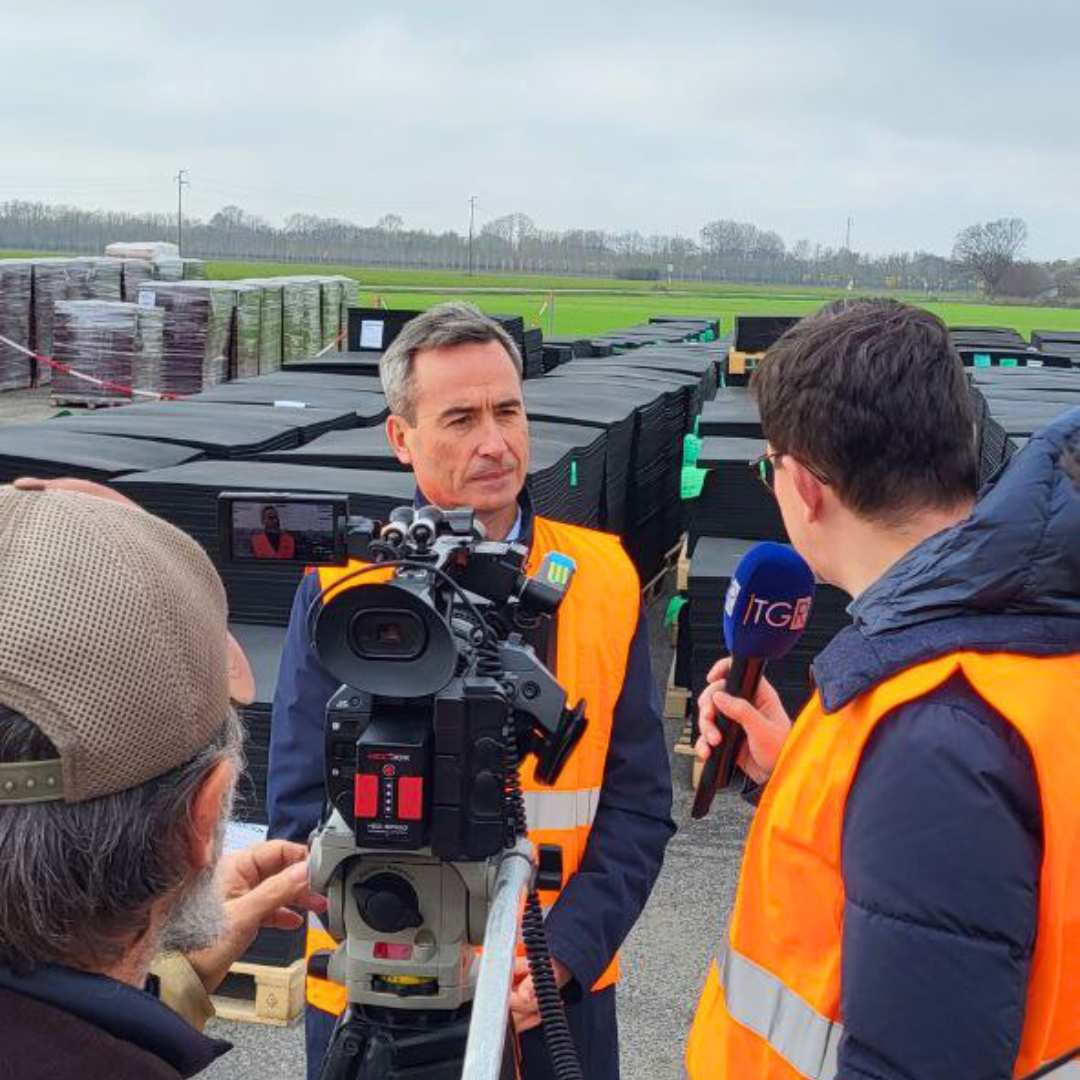
Legambiente Interview with President Ciafani

Stefano Ciafani during an interview at the Casei Eco-System plant

Ecopneus interview with general manager Carnimeo

Giuseppina Carnimeo of Ecopneus during the interview

Casei Eco-System: Interview with CEO Ferramini

Marco Ferramini during an interview on the "Cantieri della Transizione Ecologica"

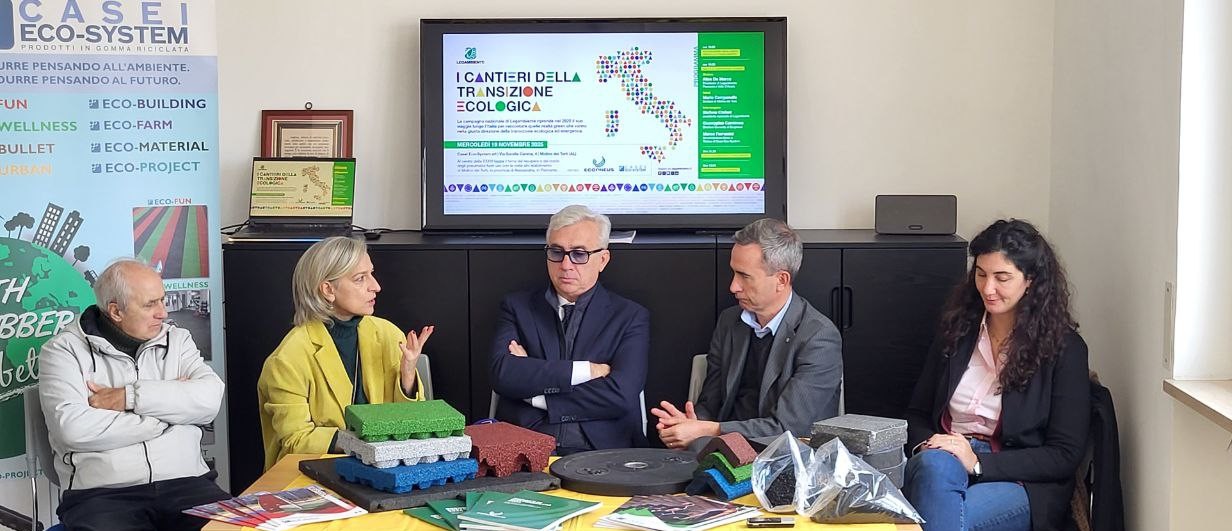
At the end of the pathway, the day continued with a press conference that featured speeches by Stefano Ciafani ( Legambiente National President), Giuseppina Carnimeo ( Ecopneus General Manager), Alice De Marco (Legambiente Piemonte and Valle d’Aosta President), Mario Campanella (Mayor of Molino dei Torti) and Marco Ferramini (Casei Eco-System Sole Director). A moment of dialogue that highlighted the value of the supply chain and the importance of industrial processing within the recycling pathway. The morning then ended with convivial refreshments, where comments, impressions and new ideas were interwoven, in a relaxed atmosphere that gave space for relationships.

Press conference held by Cantieri della Transizione Ecologica at the Casei Eco-System plant

Casei Eco-System and Its Role in the ELT Supply Chain

Casei Eco-System does not deal with the direct recovery of end-of-life tires, but with the next step: the transformation of the recycled SBR granule into technical products for numerous sectors. Our core business is rubber flooring, which is used in the world of sports – gyms, fitness centers, home gyms and school facilities – but also in playgrounds and recreational spaces, where safety and shock absorption are essential. Alongside these solutions, we are developing with great success the sector of non-slip mats for load securing, used in transportation and logistics to improve the stability of goods. Products dedicated to construction and infrastructure, which improve acoustic comfort and reduce vibrations and impacts, and applications for street furniture and safety, designed to make parks, walkways and public spaces more functional and resistant, complete the range. Each product is born from established and continuously developing industrial processes, rigorous quality controls and the experience of our team, all to combine sustainability, performance, competitiveness and reliability over time.

Press review: the event through the words of the media

The day was widely covered in the media. Several local, regional and national newspapers devoted articles to the stage, helping to tell the story of the value of the initiative and the industrial role of our company. Here is the list of what has been published so far (subject to future changes!):

Legambiente Article on the Ecological Transition Projects

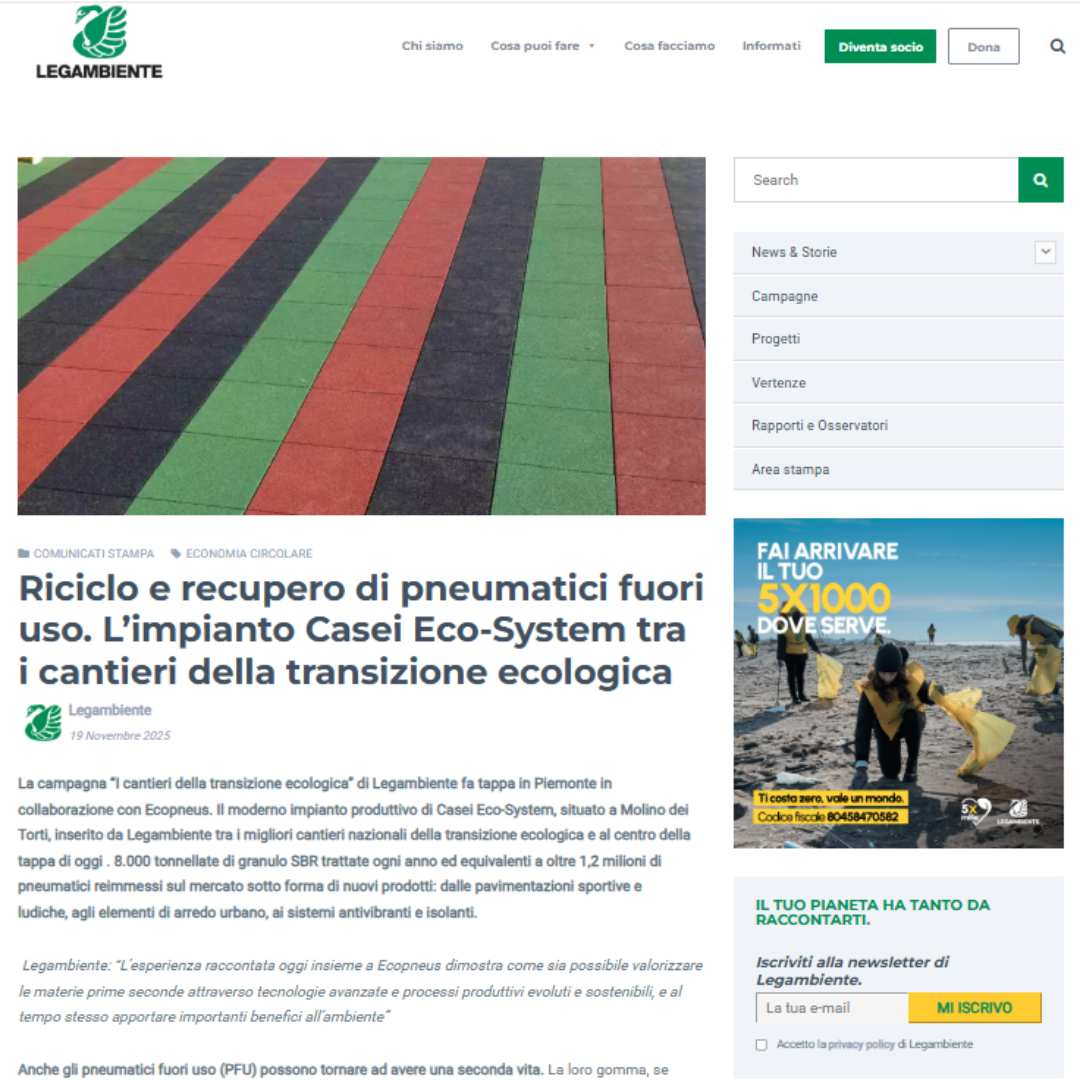
Legambiente – “Recycling and Recovery of End-of-Life Tires: The Casei Eco-System Facility Among the ‘Ecological Transition Projects’”
The official press release presenting the project and its objectives.

READ THE ARTICLE

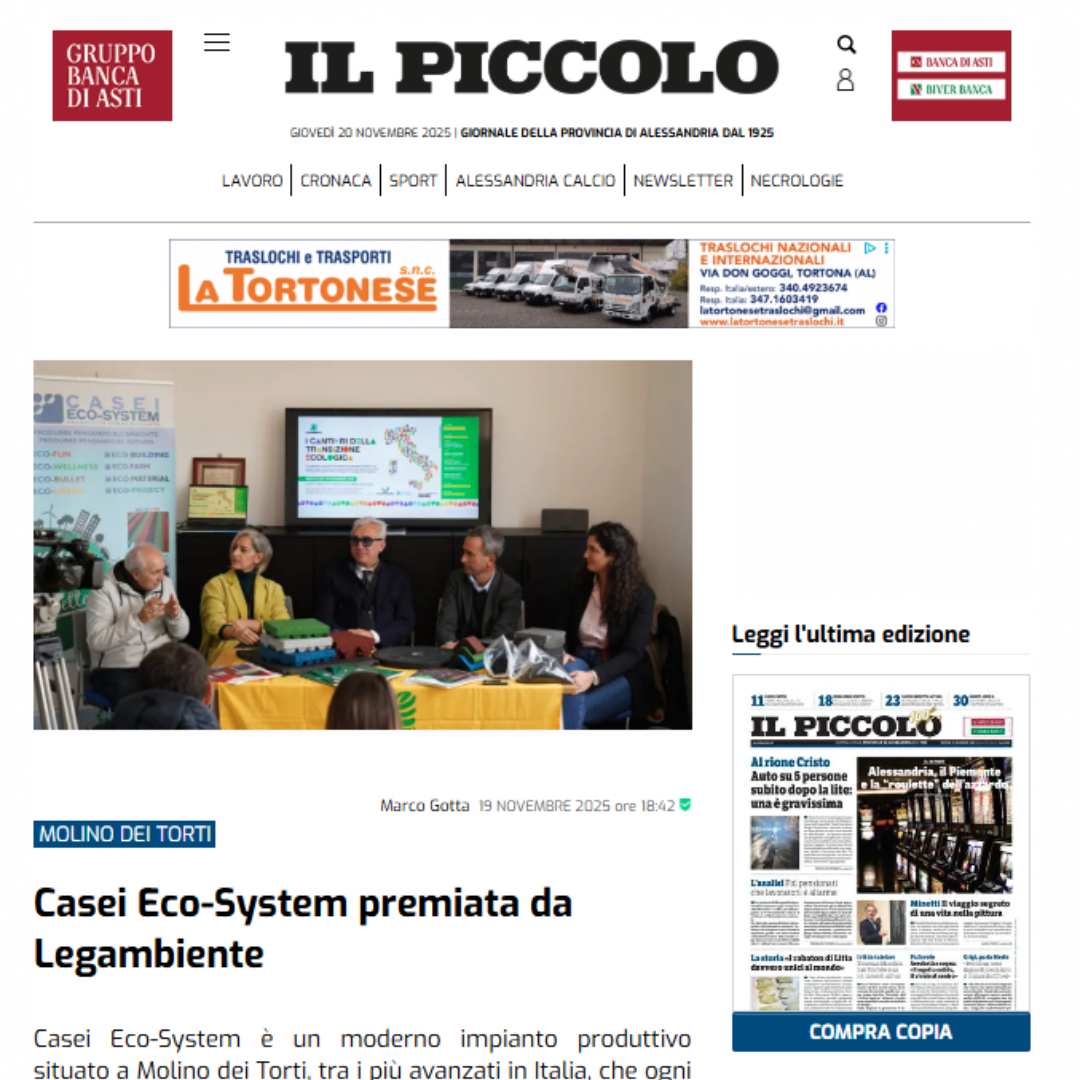
Article from *Il Piccolo* on the visit to Casei Eco-System

Il Piccolo – “Casei Eco-System Honored by Legambiente”
A detailed look at the visit and the company’s production processes.

READ THE ARTICLE

ANSA article on tire recycling in the Alessandria area

ANSA – “The Alessandria Area: The Cradle of Used Tire Recycling”
An article that puts this stage into context within the regional supply chain for recycled rubber.

READ THE ARTICLE

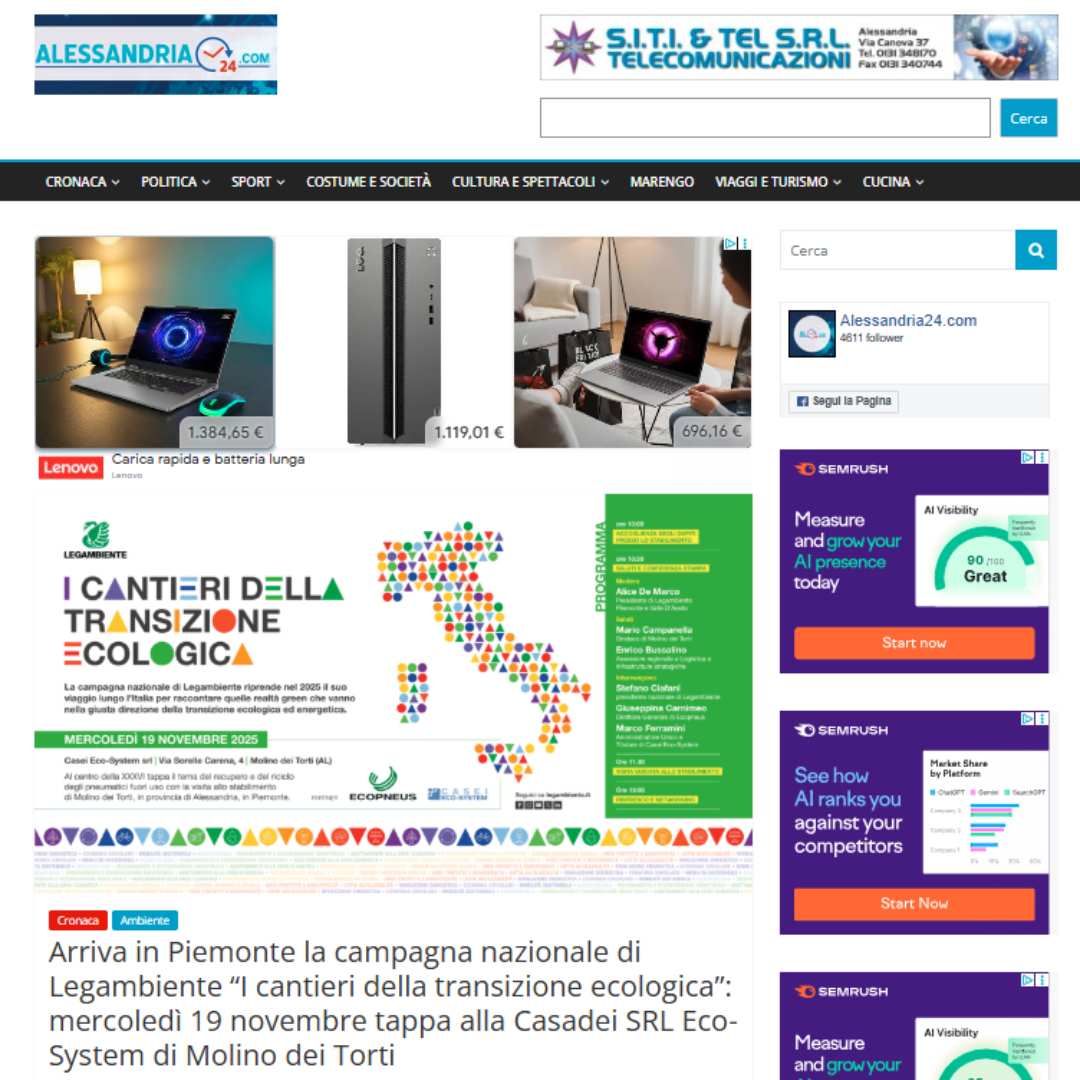
Article by Alessandria24 on the visit to the Casei Eco-System plant

Alessandria24 – “A Stop at Casei Eco-System in Molino dei Torti”
An in-depth look at the company and the day’s schedule.

READ THE ARTICLE

EspansioneTV Report on the "Cantieri della Transizione Ecologica"

EspansioneTV – Content Collection
A multimedia section that brings together articles and television reports on the topic.

READ THE ARTICLE

Outdoor rubber flooring: complete guide and benefits

Rubber Flooring for Outdoor Use: How to Choose and Install It

we wanted to talk to you about

Outdoor rubber, including practical choices, installation and maintenance.

When we think of covering terraces or gardens, wood, stone or stoneware often come to mind. But in recent years more and more people have discovered a viable alternative: outdoor rubber flooring.

These are practical, safe, and versatile surfaces that transform residential spaces into places to live in every day. Rubber provides a level of comfort underfoot that rigid materials lack; it reduces the risk of slipping, withstands sun, rain, and frost, and requires very little maintenance. Plus, it offers a sense of insulation by dampening our footsteps—a benefit no other alternative can provide.

In this guide we will look at why it pays to choose rubber, where best to use it, the most popular types, tips for installation and maintenance, with some practical tips on products developed by us.

Why choose rubber for outdoor flooring?

The reasons are concrete and everyday:

  1. Non-slip safety: the rubber maintains grip even when wet, limiting the risk of accidental falls.
  2. Comfort: more elastic than tile or concrete, walking on it is pleasant!
  3. Weather resistance: not afraid of frost.
  4. Natural drainage: many solutions are designed to facilitate water runoff.
  5. Quick installation: plates and rolls are installed without demolition or invasive work, even over existing pavement.
  6. Minimal maintenance: all it takes is water and a little elbow grease to keep it clean.

Tip: In multifunctional residential spaces such as courtyards or walkways, recycled rubber tiles such as ECO-PAV combine durability with ease of installation.

Condominium play area

Condominium playground with outdoor rubber flooring

Balcony with drainage paving

Balcony with a drainage-type rubber covering for outdoor use

Where to use rubber in residential spaces?

Terraces and balconies

Often underestimated, terraces and balconies become more inviting with a surface that reduces summer heat and improves insulation.
Example: drainage solutions such as ECO-ROOF prevent water from pooling and protect the underlying membrane.

Gardens and driveways

The main problem in gardens is mud after rain. With rubber, driveways remain workable and safe.
Example: the modules ECO-PAV allow paths to be paved in a stable manner.

Wellness areas

A healthy lifestyle and a focus on physical fitness require adequate space for your daily exercise routine.
Example: drainage mats such as ECO-GYM or ECO-GYM TOP are specifically designed for athletic use.

Domestic play areas

Children need safe and comfortable surfaces. The right flooring allows them to play safely.
Example: the tiles ECO-SOFT are designed for outdoor play spaces.

Home and garage gym

Many turn garages and porches into home gyms. Rubber protects the bottom and absorbs shock.
Example: the models ECO-GYM and ECO-GYM TOP are specifically for use with tools and weights; for large areas, the rolls ECO-GYM ROLL reduce joints.

How to install a rubber floor

A properly installed system will save you trouble for years to come. Before you begin, make sure the area is clear of obstacles and that the surface is even: 80% of the final result depends on proper preparation. Hiring a professional for a “workmanlike” installation is always the recommended solution! But if you want to do the job yourself, follow these steps:

Prepare the background

The substrate must be firm, level and clean. On concrete or tile remove dust, glue residue, paint or wax; on fresh screeds wait until completely dry. If working on soil or gravel, make a load-bearing, level layer first to prevent subsidence. A vacuuming/blowing pass before laying makes all the difference.

Check the slopes

Water should drain to grates and sumps without stagnation. Check the direction of the slope (even with a simple bucket of water) and do not obstruct drains: when cutting modules at grates, leave enough margin for disposal.

Choose the pose

  • Dry (free standing) if the area is sheltered, normal passage or if you want to be able to reopen the surface in the future.
  • With adhesive only in high traffic areas, ramps, windy areas or where perimeter fixings are needed. Apply the appropriate adhesive outdoors following the manufacturer’s specified open times.

Cut with precision

Use a cutter with a new blade and a metal ruler: better several light passes than one deep cut. Gradually approach walls, columns and drains to get clean, matching joints. On large thicknesses, it is preferable to use motorized cutting tools.

Trim the edges

Close the perimeter with profiles (such as ECO-BORDER): they reduce the risk of tripping, protect module edges, and give a more professional appearance.

Sports field with protection

Sports field with protective rubber surfacing

Private playground

Private playground with rubber playground safety surfacing

Maintenance: quick and easy

Rubber requires little but constant attention. A light care plan maintains aesthetics and performance over time.

Routine cleaning

For everyday dirt, water and mild detergent will suffice. On “stubborn” dirt, use a soft-bristled brush. Avoid harsh solvents or bleach: they are not needed and may dull the surface.

Organic residues

Leaves, soil and pollen retain moisture and leave halos. Remove them regularly (blower or soft broom), especially after rains and in fall, to prevent green patina and stains.

Periodic inspection

Every season change, do an inspection tour: check joints, edging and transition points. If a plate is very worn or damaged, replace only that one: that’s the advantage of modular systems.

Pressure washer

You can use it, but at low pressure and keeping distance from the surface. Proceed with even passes, without lingering too long on the same spot so as not to lift the edges.

Frequently asked questions

Can it be installed over an existing floor?
Yes, as long as the subfloor is stable and level. ECO-ROOF, for example, can be easily installed even on tiled terraces.

Is rubber safe for children?
Yes: the tiles ECO-SOFT tiles were designed specifically to reduce risks in play areas.

Does it withstand frost and rain?
Yes: Recycled rubber flooring maintains its performance even in harsh and humid climates.

How long does an outdoor rubber floor last?
It is not possible to give a precise answer because there are many factors that affect its lifespan, but with regular maintenance, it can last for several years without losing functionality.

Rubber for outdoor flooring is a modern and smart choice: practical, safe and capable of transforming terraces, gardens, swimming pools and play areas into comfortable and durable spaces.

In summary:

A simple solution to make your home safer, more livable, and more sustainable, with the “Made in Italy” quality of Casei Eco-System.

EN 14877: A Comprehensive Guide to the European Standard for Sports Surfaces

A Comprehensive Guide to the EN 14877 Standard for Sports Flooring

What is EN 14877:2013?

EN 14877:2013 is the European technical standard that defines the performance, safety, and durability requirements for synthetic sports flooring used in track and field and multipurpose areas. It establishes objective criteria for evaluating materials and multi-layer systems, both in terms of performance and user safety.

What does the EN 14877:2013 standard require?

EN 14877:2013 requires a series of rigorous product tests, including:

  • Impact absorption: essential for athlete safety.
  • Abrasion and spike resistance: to ensure durability even under heavy-duty conditions.
  • Anti-slip properties: tested on both dry and wet surfaces to ensure safety in every situation.
  • Performance stability: Surfaces must retain their properties even after accelerated aging cycles.

Compliant materials are thus recognized for their long-term reliability, build quality, and the comfort they offer users.

Shock Absorption: Why Is It Essential?

Impact absorption refers to the flooring’s ability to “cushion” the impact generated by the weight and movements of athletes while running, jumping, or engaging in other activities. This parameter is essential for the safety and well-being of users, as it reduces the risk of joint and muscle injuries.
For surfaces compliant with EN 14877:2013, shock absorption is measured through specific tests that simulate the actual impact of an athlete on the track. An adequate value ensures not only physical protection but also greater comfort during prolonged use of the surface.

What are spikes?

When it comes to sports surfaces, especially for track and field, it is essential to evaluate abrasion resistance and spike resistance.
But what is meant by “spikes”? In technical sports terminology, spikes are the metal points found on the soles of track shoes, used by athletes to improve traction on tracks and jumping areas. These spikes, which are often very sharp and durable, can subject the surface to particularly intense and localized stress during running, jumping, or sprinting.

Spike resistance, therefore, measures the surface’s ability to withstand repeated impact from spikes over time without sustaining significant damage such as punctures, tears, or accelerated wear. Good spike resistance is essential for maintaining the integrity of the flooring, ensuring athlete safety, and extending the useful life of the sports facility.

In summary, spike resistance tests simulate the actual use of spiked shoes on track and field surfaces, providing concrete guarantees in terms of both durability and performance.

Non-slip properties: safety in all conditions

The slip-resistant properties of a sports surface are essential for preventing falls and injuries, especially in sports where speed, changes in direction, and weather conditions can increase the risk of slipping.
The EN 14877:2013 standards require testing on both dry and wet surfaces—simulating rain or humidity—to ensure that the flooring maintains adequate levels of traction at all times. Good slip resistance protects all users—from professionals to students—in every situation.

Long-Term Performance Stability: The Accelerated Aging Test

A sports surface must not only perform well immediately after installation, but also maintain its characteristics over time, even after years of use and exposure to sun, rain, frost, and temperature fluctuations.
Performance stability is verified through accelerated aging tests: the material is subjected to extreme environmental conditions in the laboratory, after which the results are evaluated.
Only surfaces that pass these tests are considered truly reliable and durable according to EN 14877:2013.

A concrete example: ECO-SPORT ROLL

ECO-SPORT ROLL is a technical subbase made from recycled rubber from ELTs, specifically designed for use on track and field surfaces as the first layer of a multi-layer “sandwich” system. In this configuration, the roll is installed on rigid subbases and then coated with specific polyurethane resins, forming the complete structure of the sports flooring.
To ensure full compliance with the requirements of the EN 14877:2013 standard, ECO-SPORT ROLL undergoes all the tests specified by the standard as part of this composite system—that is, as a key component of an athletic track built using the most advanced construction techniques.
Passing these tests certifies its effectiveness in terms of performance, safety, and durability, making it the ideal choice for anyone looking for a reliable and innovative subfloor.
In addition to ensuring performance and safety, this product is also a sustainable choice: upon request, it can be supplied with REMADE® certification, which attests to the presence and traceability of recycled material according to objective criteria, in line with the Minimum Environmental Criteria (CAM) required in public tenders and Green Public Procurement.

Would you like to learn more? Discover ECO-SPORT ROLL and its applications on athletic tracks

Why choose a surface that complies with EN 14877:2013?

Choosing flooring that complies with EN 14877:2013 means relying on solutions that:

  • Tested for safety and comfort,
  • Durable and high-performing even after years of use,
  • Easily incorporated into public and private technical specifications,
  • Pay attention to sustainability, especially if they are REMADE®-certified.

FAQ – EN 14877:2013: Frequently Asked Questions

What is the EN 14877:2013 standard?

It is the European standard that defines the minimum requirements for synthetic sports surfaces intended primarily for track and field.

What does compliance with EN 14877:2013 entail?

Compliance is verified through laboratory tests that evaluate shock absorption, resistance to abrasion and spikes, slip resistance, and performance retention after aging.

What are the benefits for those who choose a surface that complies with this standard?

Greater safety for users, proven durability, ease of management in public tenders, and enhanced value for the sports facility.

What role does sustainability play in the selection of sports surfaces?

Choosing products like ECO-SPORT ROLL—made from recycled rubber and REMADE®-certified—means combining high technical performance with environmental responsibility and compliance with CAM standards.

Does ECO-SPORT ROLL comply with EN 14877:2013?

Yes, ECO-SPORT ROLL has been tested in accordance with the criteria of the standard and meets all of its requirements.

— JSON-LD Schema FAQ —

Table of Contents:

Are you interested in our products?

Applications of Recycled Rubber: Sustainable Innovation for B2B

Tire Recycling and Applications of Recycled Rubber

End-of-life tires: a global environmental challenge

Every year, millions of end-of-life tyres are discarded, causing a significant environmental impact. If not managed properly, this waste accumulates in landfills or is abandoned in the environment, where it takes over a century to degrade (source: Plastic Free Onlus). Under certain extreme conditions, it can take as long as 2,000 years for a tire to decompose completely (source: South Carolina Department of Natural Resources).

In the meantime, however, they gradually release toxic substances—heavy metals, hydrocarbons, and other chemical compounds—that pollute the soil, groundwater, and even the atmosphere. This phenomenon is still greatly underestimated, but it represents one of the most persistent global environmental crises.

ELTs Recycling: Recovered Materials and Sustainability

The recycling of ELTs (End-of-Life Tires) now represents a practical and sustainable alternative to dumping or incineration. In Italy, the Ecopneus consortium has developed a best-practice model that transforms end-of-life tires into useful resources for new production chains.

During the treatment process, three main materials are recovered:

  • Rubber (up to 80%), in the form of granules, powder, or shredded rubber
  • Steel, which is reused in the metallurgical industry
  • Textile fibers, used as insulation or as an alternative fuel

Technical Benefits of Recycled Rubber for Industry

Recycled rubber is much more than just a byproduct. Thanks to its technical characteristics, it is suitable for a wide range of industrial and urban applications. Its properties include:

  • Elasticity: It effectively absorbs impacts, making it perfect for playground safety surfacing, such as that used in parks or gyms
  • Weather resistance: maintains its performance over time, even in rain, freezing temperatures, or intense sunlight
  • Sound insulation: reduces noise transmission, improving comfort in urban or industrial settings
  • Drainage capacity: facilitates water runoff, preventing standing water on surfaces such as bike paths or public areas
  • Durability and minimal maintenance: an investment that pays off over time, both in terms of sustainability and operating costs

This combination of technical characteristics and economic benefits makes recycled rubber an increasingly popular choice among designers, businesses, and government agencies.

Applications of Recycled Rubber in the B2B Sectors

The applications of recycled rubber are becoming increasingly widespread and versatile, especially in the B2B sector. Its adaptability makes it ideal for environments subject to heavy wear or those requiring advanced technical specifications. Here are some concrete examples:

In all these cases, recycled rubber is a smart choice both from an environmental and a functional standpoint.

FAQ on Applications of Recycled Rubber

What are the main applications of recycled rubber?

Recycled rubber is used in playgrounds, sports facilities, urban areas, industrial logistics, and custom-made technical products. It is a versatile solution for many needs in the B2B sector.

What advantages does recycled rubber offer compared to other materials?

It offers excellent elasticity, weather resistance, sound insulation, and drainage capacity. In addition, it is environmentally friendly, requires little maintenance, and provides long-term cost savings.

Can solutions made from recycled rubber be customized?

Yes, many companies offer customized solutions that can be tailored to specific needs in industrial, urban, or logistics settings. Design flexibility is one of the key strengths of recycled rubber.

How is an end-of-life tire (ELT) recycled?

After shredding, the tire is separated into its main components: rubber, steel, and textile fibers. Each material is sent to a specific recycling process.

How much rubber is recovered from a tire?

On average, up to 80% of the rubber can be recovered from a discarded tire. This rubber is processed into granules, powder, or shredded rubber for reuse in new industrial applications.

Recycled Materials Certification: Why We Chose REMADE®

Certification of Recycled Materials: Why Casei Chose REMADE

Certification of recycled materials is now an essential requirement for participating in public procurement bids and demonstrating the true sustainability of products. As of December 6, 2022, with the entry into force of Ministerial Decree 23/06/2022, self-declarations are no longer sufficient: certification by an accredited third-party body is required.
That is why at Casei Eco-System we have adopted REMADE®, an environmental certification scheme accredited and recognized by the Ministry of the Environment as proof of compliance with the CAM (Environmental Criteria for Procurement).

REMADE®: the certification for recycled materials recognized by CAM

REMADE® verifies, in accordance with UNI CEI EN ISO/IEC 17065, the percentage of recycled material or by-product present in a semi-finished or finished product. The certificate, issued by an independent third-party body, is officially accepted as proof of compliance with the Minimum Environmental Criteria.

Benefits of REMADE® Certification for Recycled Materials

  • Transparency regarding recycled content and the origin of raw materials.
  • Facilitating access to public procurement and Green Public Procurement.
  • Greater business credibility with B2B customers and the government.
  • Compliance with applicable CAM requirements through third-party certification.
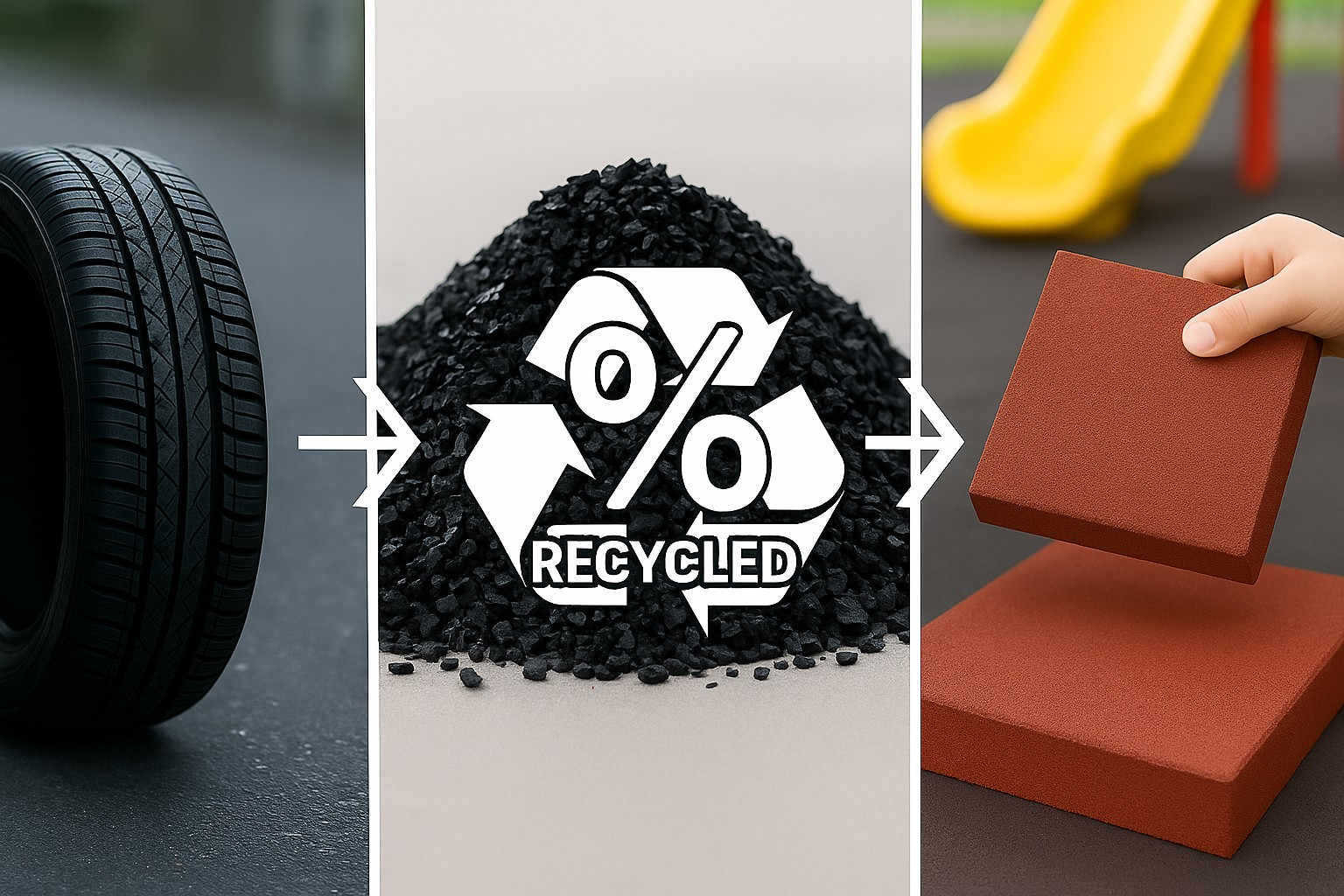
The Life Cycle of Recycled Rubber for Playground Safety Surfacing

Our REMADE®-Certified Products

All made from recycled rubber from ELTs with a traceable supply chain:

ECO-FUN Line

ECO-SOFT > impact-absorbing tiles for playgrounds that comply with EN 1177Learn more

ECO-WELLNESS Line

ECO-GYM > Medium-grain rubber gym flooring, made from recycled rubber Learn more

ECO-GYM TOP > Fine-grain rubber gym flooring made from recycled rubber Learn more

ECO-GYM ROLL > Rubber gym flooring in rolls Learn more

ECO-SPORT ROLL >: Underlay for Track and Field Surfaces Learn more

REMADE® and CAM: A Direct Connection

REMADE® is the most reliable tool for meeting CAM requirements: it certifies the amount of recycled content, supply chain traceability, and the absence of unverified self-declarations. For a comprehensive overview of the regulatory framework, please read our guide on CAM and recycled material certification.

The History of REMADE® and the Founding of the Foundation

Founded in 2009 as ReMade in Italy, the brand became Italy’s first accredited certification scheme for recycled materials in 2013. In 2024, under the auspices of CONAI, it became the ReMade® Foundation – Social Enterprise, a national center of expertise that assists businesses and public administrations in the operational implementation of Green Public Procurement (GPP) and in promoting the circular economy.

We chose REMADE® to offer our customers a solid, transparent, and recognized environmental guarantee. In the public sector and in sustainable construction supply chains, certification of recycled materials is no longer optional—it is a requirement for professional integrity.

More details about the program are available on the official website , remadeinitaly.it

FAQ – Certification of Recycled Materials and REMADE®

What is recycled materials certification?

It is a formal certification issued by an accredited third-party organization that attests to the percentage of recycled material contained in a product, semi-finished product, or raw material. It also includes supply chain traceability and compliance with environmental requirements, such as those set forth by the CAM.

Who can issue a recognized certification for recycled materials?

Only third-party organizations accredited by bodies such as Accredia or equivalent European organizations. REMADE® is a certification scheme recognized by the Ministry of the Environment and accredited in accordance with the UNI CEI EN ISO/IEC 17065 standard.

Is REMADE® certification mandatory?

It is not mandatory in the strict sense, but it becomes necessary if you wish to participate in public tenders that require compliance with the CAM. In these cases, REMADE® certification is one of the recognized methods for demonstrating the recycled content, replacing the self-declaration, which is no longer permitted as of December 6, 2022.

How does REMADE® differ from other certification schemes?

REMADE® is a multisectoral scheme applicable to various materials (rubber, plastic, metals, textiles, etc.) that ensures transparency and traceability throughout the entire production process. It is one of the most widely used schemes in Italy for certifying products intended for public procurement.

Where can I find the list of REMADE®-certified products?

The updated list of REMADE®-certified products is available on the official website, www.remade.it, in the section dedicated to certified products and companies.

Minimum Environmental Criteria (CAM): A Practical Guide to Public Procurement and Recycled Materials

Guide to Minimum Environmental Criteria for Public Procurement and Recycled Materials

When it comes to public procurement and environmental sustainability, one of the most common questions we receive at our offices is: “Do you have CAM certification?”

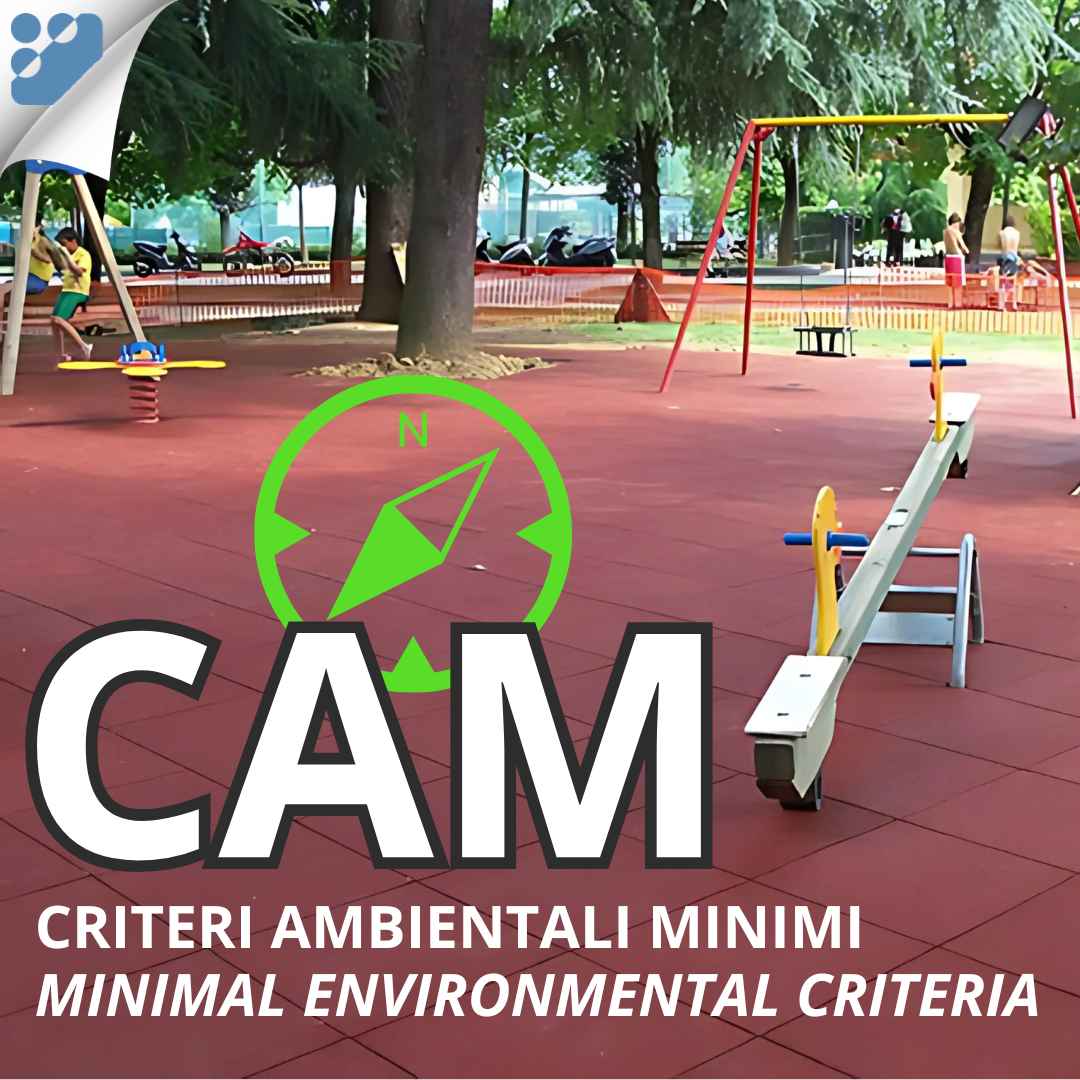
This is a common question, but one that stems from a misunderstanding: there is no such thing as an actual “CAM certification.” The Minimum Environmental Criteria (CAM) are not a certificate or a label, but rather a set of technical and environmental requirements established by Italian law to make public procurement more sustainable.

To demonstrate compliance with the CAMs, you must submit the evidence required by the applicable criterion, which may include certifications issued by accredited third-party organizations. In this article, we explain what the CAMs are, which sectors they apply to, and which certifications can document the recycled content.

Why Minimum Environmental Criteria Are Mandatory in Public Procurement

Article 57, paragraph 2, of Legislative Decree 36/2023 requires that the technical specifications and contractual clauses contained in the applicable CAMs be included in the design and bidding documentation. For the construction sector, the relevant reference is the Ministerial Decree of June 23, 2022, published in the Official Gazette No. 183 of August 6, 2022.

  • Objective: To reduce environmental impacts throughout the entire life cycle of the project.
  • Scope of application: design, new construction, renovations, maintenance, and construction products, within the limits defined by the applicable CAM.

Read the decree in the Official Gazette
View the current CAMs on the MASE website

Scopes of Application of CAMs

CAMs are used for various categories of work, products, and services. Among the most significant areas are:

CategoryExamples of Applications
ConstructionFlooring, membranes, insulation, and finishes
Street Furniture and School FurnitureBenches, playground equipment, and playground safety surfacing
Cleaning and HygieneCleaning Products and Sanitization Services
Public Green SpacesSupply of Plants and Maintenance of Green Spaces
ICT and ElectronicsComputers, printers, and electronic equipment
Energy and FacilitiesEnergy Services, HVAC, and Renewable Energy Sources
Road InfrastructureRoad Design, Construction, and Maintenance

Self-Declaration and Compliance Checks

A simple self-declaration by the manufacturer is not sufficient when the applicable CAM requires certification, a test report, or another form of verification issued by a conformity assessment body. The documentation must correspond exactly to the product being offered and to the requirements specified in the specifications.

  • Determine which CAM and which specific criterion apply to the supply.
  • Check the test methods permitted by the decree and the specifications.
  • Request valid certificates and test reports for the proposed product.
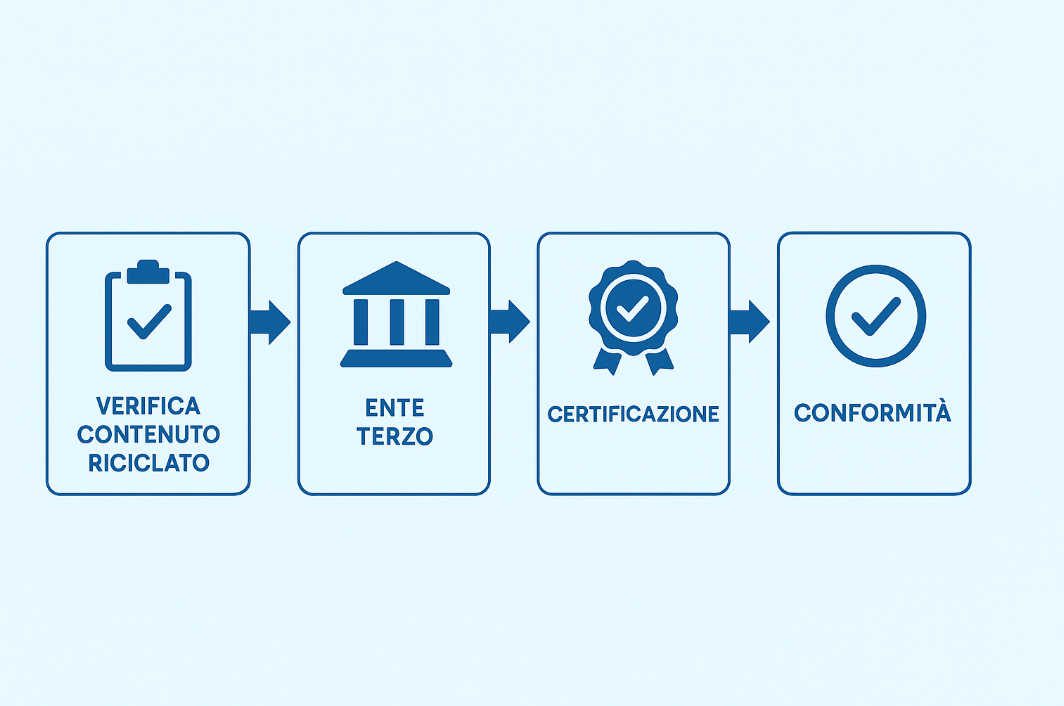
The Process for Compliance with the Minimum Environmental Criteria: From Application to Certification

Certifications to verify the recycled content

The test method must be selected based on the CAM and the material in question. The methods listed in the various CAMs or used to certify the recycled content include:

DiagramIndicative Scope
REMADE®Materials and products containing recycled content or by-products
Plastic Second Life (PSV)Plastics
CSI Recycled ContentPlastics and Composites
Accredited Equivalent CertificationsDepending on the material and the applicable CAM criteria

One of the most widely used certifications in Italy is REMADE®, which verifies the percentage of recycled material or by-products and the traceability of the supply chain. Because of these features, Casei Eco-System has chosen this certification scheme for some of its products.

Visit the official REMADE® website

Our REMADE®-Certified Products

Both product lines include items with a verified and traceable percentage of recycled material. Compliance with each individual bid must, however, be assessed in light of the CAM, the criteria, and the documentation required by the bid specifications.

It is therefore incorrect to speak generally of “CAM certification.” Those who participate in public tenders or supply materials to the government must be able to submit documents that comply with the applicable criteria and are issued by the entities specified in the decree.

Learn more about the REMADE® certification chosen by Casei

FAQ on Minimum Environmental Criteria

What are CAMs, in a nutshell?

These are environmental requirements that contracting authorities must include in the bidding documents when an applicable CAM exists, in accordance with the Public Contracts Code.

Which products must comply with these requirements?

Products, works, and services falling under the categories governed by the CAM decrees, when they are the subject of a public procurement procedure to which the relevant criterion applies.

Is a self-declaration sufficient?

Not when the criterion requires third-party certification or a test report. The forms of evidence accepted by the CAM and the specifications must be carefully verified.

What certification can be used for recycled rubber?

REMADE® can certify the content of recycled materials or by-products and the traceability of the supply chain. Its suitability must be verified in accordance with the specific CAM and the tender requirements.

How can you verify that a product is compliant?

You must verify that the certificate or test report is valid, that the testing body is accredited, that the product is precisely identified, and that the minimum percentage required by the applicable criterion is met.

Physical Education at “Villaggio per la Terra”: GiocaFiPe

Physical Education with GiocaFIPE at the Village for the Earth

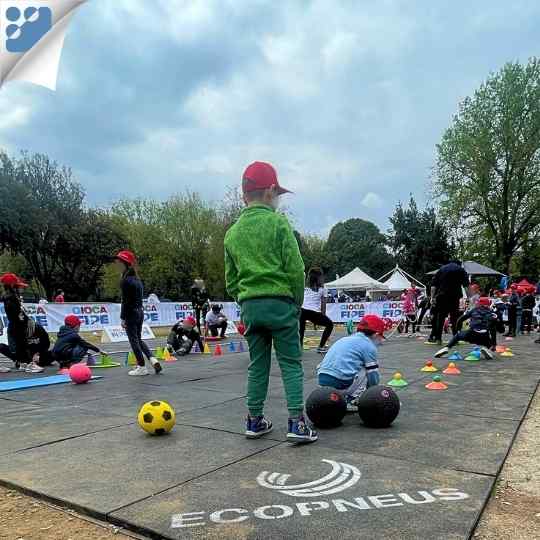
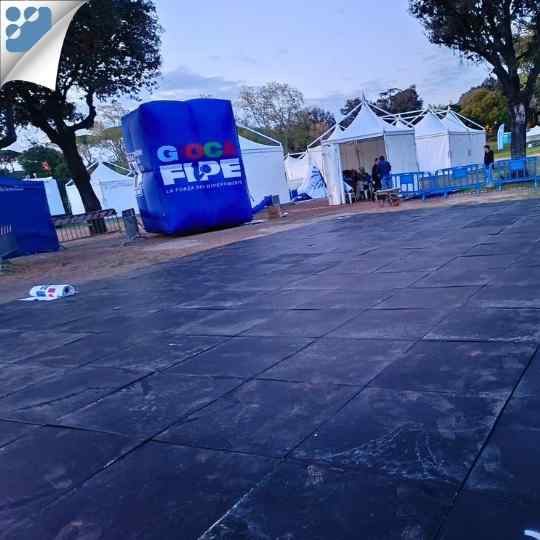
April 18–22, 2024, in Rome, at the Villaggio per la Terrain Rome, children and teens participated in physical education activities as part of the GiocaFIPE project organized by the Italian Weightlifting Federation.

The games and sports activities took place on a recycled rubber surface provided by Casei Eco-System, a technical partner of Ecopneus.

What is GiocaFIPE?

GiocaFIPE is a project of the Italian Weightlifting Federation designed to introduce children and teens to the sport through play and physical education.

The Federation’s instructors guide participants through motor skill courses, relay races, team games, and simple exercises that help develop balance, coordination, and familiarity with movement.

Visit the official GiocaFIPE page

Summary of the GiocaFIPE Project

  • Project Name: GiocaFIPE
  • Organizer: Italian Weightlifting Federation
  • Participants: children and teenagers
  • Goals: to promote physical education, fun, and socialization
  • Activities: sports games, motor skills courses, and relay races
  • Method: recreational activities led by qualified instructors
  • Settings: schools, public events, and sports centers

The Importance of Physical Education

Regular physical activity contributes to children’s physical, mental, cognitive, and social development. According to the Italian National Institute of Health, physical activity during childhood can promote:

  • awareness of one’s own body and range of motion;
  • motor coordination, balance, and musculoskeletal development;
  • socialization, interaction, and adherence to the rules;
  • psychological well-being and self-esteem;
  • attention, learning, and other cognitive abilities.

Learn more on EpiCentro – National Institute of Health

Moving to Feel Good: Body and Mind Grow Together

Physical activity isn’t just about the body. Regular movement can boost mood, reduce stress, and build self-esteem. Participating in group games, overcoming small obstacles on obstacle courses, or challenging themselves with new exercises helps children develop confidence and social skills.

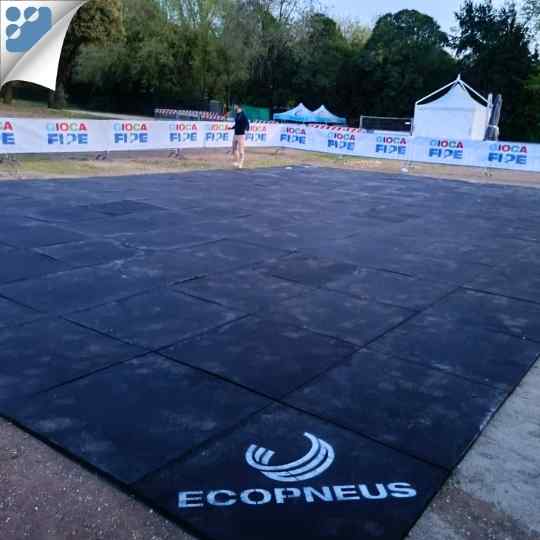
Setting up the flooring for the GiocaFIPE physical education event
Installation of recycled rubber flooring for physical education activities.
Setting Up the GiocaFIPE Area for Children's Physical Activities
The GiocaFIPE area during preparations for the event.

An environment that encourages movement

The quality of the space where activities take place contributes to comfort and freedom of movement. For GiocaFIPE, recycled rubber flooring was used, designed to provide a resilient surface suitable for the planned activities.

The decision to use materials derived from recycled end-of-life tires also allows us to combine the sporting experience with a concrete message of environmental stewardship and support for the circular economy.

Recycled rubber flooring for the event

During the Villaggio per la Terra event, GiocaFIPE’s activities took place on a recycled rubber surface made from end-of-life tires, a type of flooring commonly used in gyms and fitness centers as well.

The material combines elasticity, durability, and comfort during physical activity. The installed solution has made it possible to create a functional space for games, obstacle courses, and exercises organized by the Federation.

Discover ECO-GYM flooring

A Fun and Sustainable Event

The event demonstrated how physical education and sustainability can coexist within the same experience. The children participated in activities focused on movement, while the use of flooring made from recycled rubber provided an opportunity to introduce even the youngest children to the concepts of material recycling and respect for the environment.

The stop at the Villaggio per la Terra is part of the GiocaFIPE project, which was created to promote physical activity and sports among children and teens.