we wanted to talk to you about
Chemical safety according to EN 71-3
EN 71-3 defines migration limits for potentially hazardous chemicals from materials that may come into contact with children. In recent years, it has also become a reference for those working with polymeric materials and recycled solutions, because it allows them to clearly demonstrate that the product meets strict chemical safety criteria. Applied to recycled SBR rubber, the standard offers an additional level of reliability, combining a focus on sustainability with scientific verification of substances that can actually migrate from the material. An approach that meets the needs of designers, industry professionals and managers of sensitive environments who are increasingly focused on quality and transparency.
What is EN 71-3 and why was it introduced?
EN 71-3 is a European standard developed by the CEN – European Committee for Standardization, designed to assess the amount of chemical elements that can migrate from a material when it is brought into contact with a child.
The requirement stems from the realization that some materials could release heavy metals or other substances under real-world conditions of use, such as saliva, sweat or moisture.
The standard does not evaluate the total content of a substance, but only what can actually migrate, as outlined by the European Commission – Chemical Requirements for Toy Safety.which considers EN 71-3 to be one of the most important references for ensuring the safety of materials intended for children.
What chemical elements does EN 71-3 control
The test focuses on the migration of specific metals and potentially toxic elements, including:
Lead (Pb) – neurotoxic, extremely low migration limits
Cadmium (Cd) – associated with kidney and bone damage, almost zero migration
Chromium (Cr III and Cr VI) – Cr VI is highly dangerous
Arsenic (As) – carcinogenic, strict thresholds
Mercury (Hg) – neurotoxic, near zero migration
Selenium, barium, boron, antimony, tin and other elements – monitored for known toxicity
The limits were developed from toxicological studies and realistic exposure scenarios reconstructed by the European Commission.
What the test is concretely for
The EN 71-3 test simulates real contact through three stages:
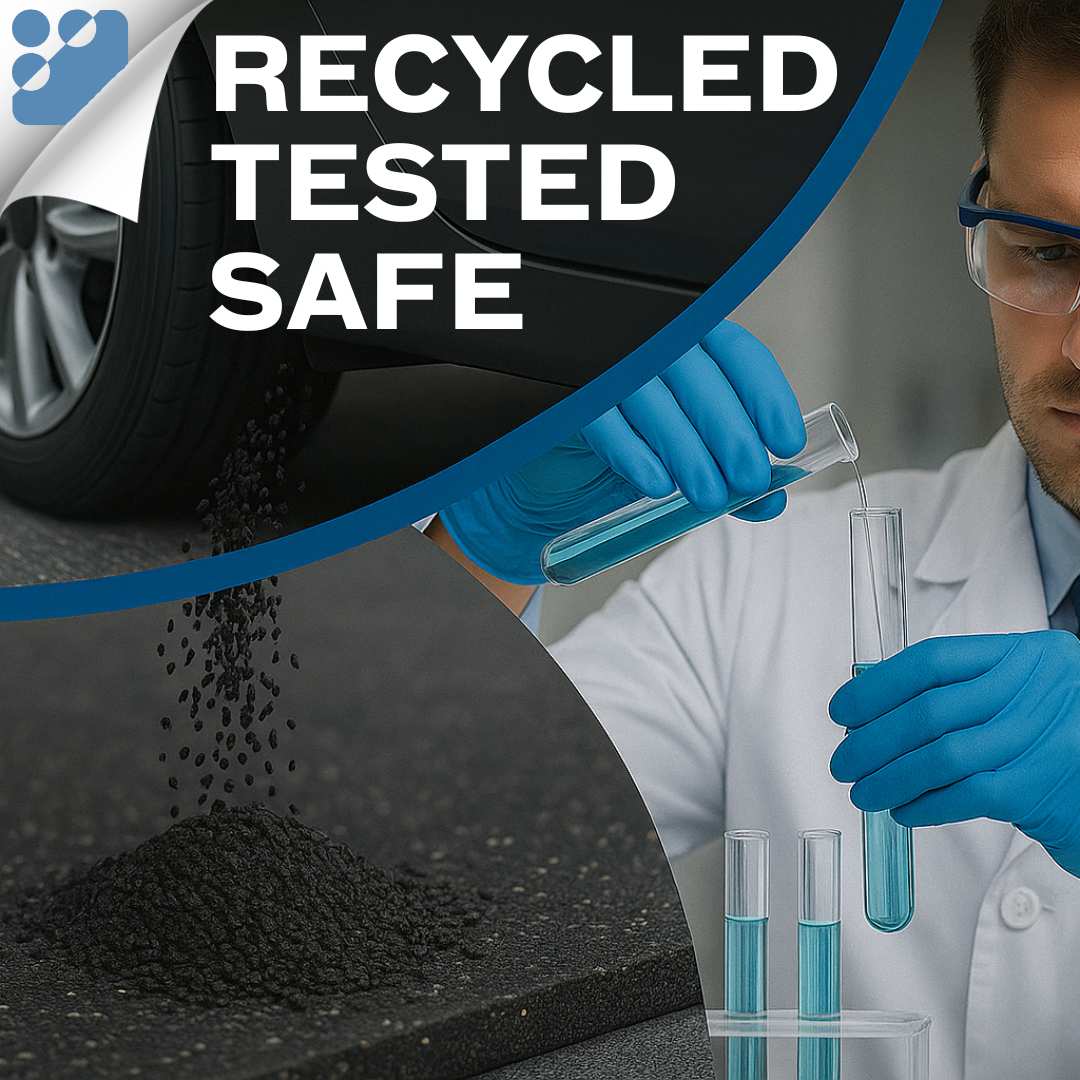
Immersion of the material in an acidic solution that replicates saliva.
Liquid analysis to measure the amount of each element migrated.
Comparison with the limits of the standard for the material category tested.
The official CEN methodology provides standardized conditions so as to ensure repeatable and comparable results.
Accredited certification institutes and laboratories
The tests required by EN 71-3 are carried out exclusively by laboratories accredited according to ISO/IEC 17025, which can guarantee reliable measurements and methods in accordance with European standards. International bodies that regularly perform these tests include entities such as TÜV Rheinland and SGS, which apply harmonized protocols and rigorous quality control. The use of accredited laboratories ensures traceable results that comply with the procedures required by European legislation.
Why EN 71-3 is also used outside the toy industry
Although mandatory only for toys, EN 71-3 is now widely used as a voluntary reference for assessing the chemical safety of materials intended for:
play areas and children’s spaces
schools and kindergartens
gyms and sports centers
high-traffic public environments
Recycled products used in sensitive contexts
The reason is simple: it offers an objective and transparent criterion for demonstrating the absence of significant release of unwanted substances.
Why it is relevant to recycled SBR rubber
SBR rubber from end-of-life tires (technical abbreviation ELT) is used in technical flooring such as:
non-trauma surfaces for play areas
sports floors for indoor and outdoor use
modular technical tiles
In all these applications, materials can be touched, stepped on, by children and adults.
For this reason, Casei Eco-System subjects the main mixtures with which its SBR recycled rubber products are produced to the migration test of EN 71-3, ensuring that the migration of the controlled elements is below the allowed limits.
The result is a recycled, compliant material that combines:
verified chemical safety
environmental sustainability
high mechanical performance
Interpreting a test report EN 71-3
An EN 71-3 report indicates for each element:
measured value
maximum migration limit
result: “pass” or “fail”
Compliance is achieved only if all elements are within the prescribed limits.
A competitive advantage in the B2B market
In the professional sector, what really distinguishes a material is not only its performance or its ability to last. Increasingly, aspects related to chemical safety and compliance with recognized standards come into play, elements that allow a product to be evaluated more comprehensively and reliably. In this context, EN 71-3 represents a concrete added value: it demonstrates that the material has undergone rigorous testing and meets objective quality criteria, thus strengthening the credibility of the proposed solutions and making them more easily adoptable in technical projects and professional contexts.
Practical applications in Casei Eco-System products
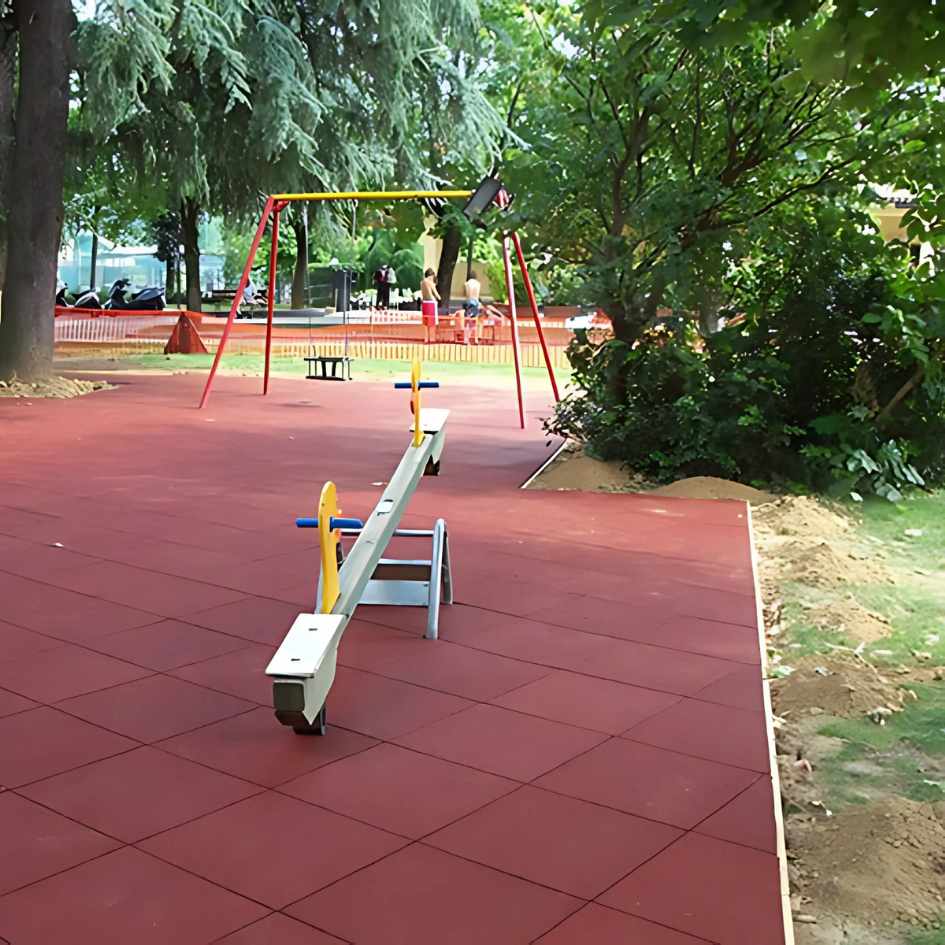
ECO-FUN – Shockproof flooring for playgrounds
Solutions designed for spaces frequented by children, where chemical safety is a top priority.
ECO-WELLNESS – Sports Flooring
Ideal for gyms, sports centers and high-traffic multipurpose spaces.
A significant proportion of the solutions available on the market today are also evaluated chemically, and EN 71-3 is one of the most solid references for this type of verification. In our case, several recycled SBR rubber products underwent the tests required by the standard at accredited laboratories, confirming migration values well within the established limits. These results offer an additional level of security to designers and practitioners, who can rely on materials that have already been tested according to a method recognized at the European level.

FAQ – Frequently asked questions about EN 71-3
Is EN 71-3 also mandatory for recycled materials?
No. The standard is only mandatory for toys, but it is also used voluntarily in other sectors to ensure a higher level of chemical safety, especially when the materials are intended for schools, playgrounds or sensitive environments.
Why does EN 71-3 evaluate migration and not total composition?
Because what matters for safety is not the total presence of a substance in the material, but the amount that can actually migrate under actual conditions of use. This principle is also emphasized by the European Commission in its section on the chemical safety of baby products.
Which materials are subject to the most restrictive limits?
Non-friable solid materials, such as vulcanized rubber, are subject to the most stringent limits. In fact, the standard distinguishes three categories based on the behavior of the material and its potential contact with the child.
Who can perform the EN 71-3 test?
The test can only be performed by laboratories accredited according to ISO/IEC 17025, such as TÜV Rheinland and SGS, which comply with harmonized protocols and testing methods in accordance with European legislation.
How long is an EN 71-3 test valid for?
Validity remains unchanged as long as the material formulation, production process or raw material suppliers do not change. Any changes require re-evaluation.
Is compliance with EN 71-3 also useful for products not intended for children?
Yes. Many manufacturers also apply EN 71-3 to items not classified as toys to demonstrate a high level of chemical safety and increase transparency to designers and operators.
continue reading
LATEST ARTICLES